
Over the last 25 years, I’ve read my share of branding books. The useful ones do more than offer inspiration: they give you a way to see a specific problem more clearly. Some help align strategy and design. Others explain purpose, growth, culture, storytelling, or the difficult work of turning an idea into a company people trust.
This is not a ranking from best to worst. It is a working shelf. Choose the book that matches the job in front of you, read it with a question in mind, and test the ideas against the realities of your organization.
Disclosure: Some book links below are Amazon affiliate links. If you buy through one, AskNam may earn a small commission at no additional cost to you.
Choose by the problem, not the popularity
| Your immediate question | Start with |
|---|---|
| How do strategy and design become one system? | The Brand Gap |
| How do we articulate why this organization matters? | Start With Why |
| How do ideas spread? | The Tipping Point or Contagious |
| How do we build a durable organization? | Good to Great |
| How do we make our message easier to understand? | Building a StoryBrand |
| What does building a consequential company feel like from inside? | Shoe Dog or Steve Jobs |
| How can service become culture? | Delivering Happiness |
| How should a brand behave in a networked market? | The Cluetrain Manifesto |
1. The Brand Gap, by Marty Neumeier
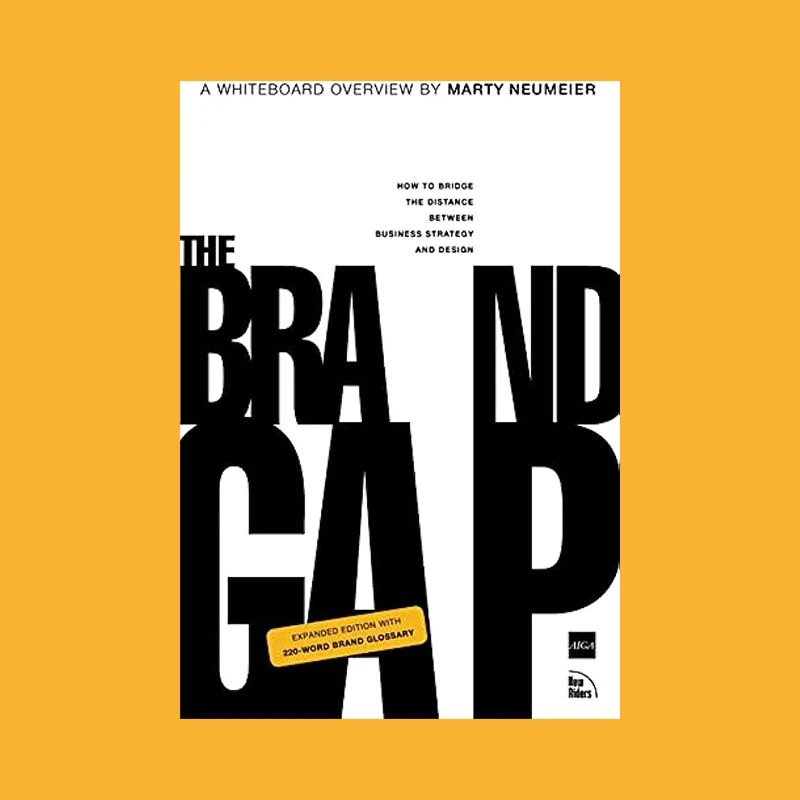
The Brand Gap is the clearest starting point here for anyone trying to connect business strategy with creative execution. Neumeier’s central contribution is treating brand as neither a logo nor a campaign, but as the result of what an organization promises and what people actually experience.
Read it when strategy and design teams are speaking different languages. Its compressed format makes it easy to revisit, but that brevity is also its limit: it gives you a strong frame, not a complete operating manual. See the MaRS conversation with Neumeier or view the book.
2. Start With Why, by Simon Sinek
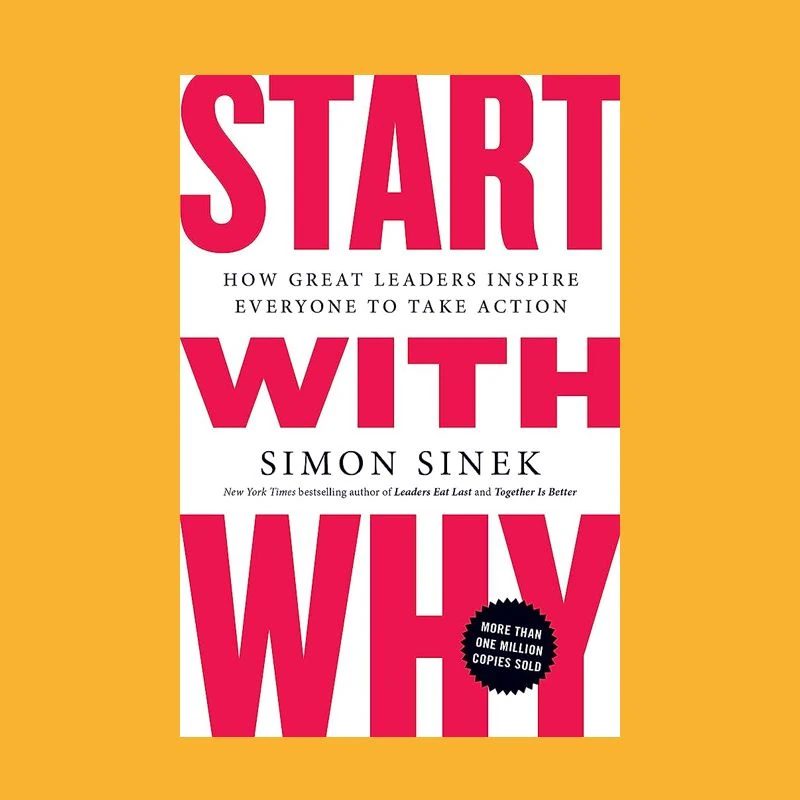
Start With Why is useful when a company can explain what it sells but not why people should care. Sinek’s Golden Circle provides a memorable way to move from purpose to principles to products. That makes the book especially helpful during positioning work, leadership alignment, and the early stages of a brand narrative.
A purpose statement cannot compensate for a weak product or an inconsistent experience, so use the framework as a beginning rather than a declaration. Sinek’s official book page describes the framework, and the original edition is available here.
3. The Tipping Point, by Malcolm Gladwell
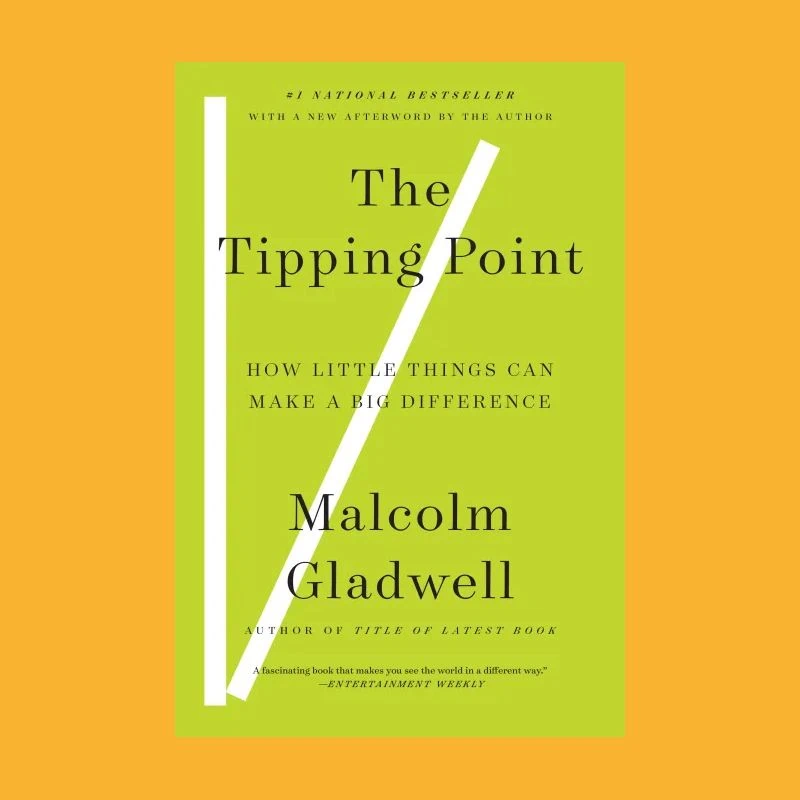
The Tipping Point asks why certain behaviors and ideas cross from isolated activity into broader social adoption. The memorable concepts—connectors, mavens, salespeople, stickiness, and context—can help a strategist look beyond media spend and consider the networks through which meaning travels.
It is best read as a set of lenses, not a predictive formula. Use it to generate questions about influence and environment, then validate those questions with current audience research. View the book.
4. Good to Great, by Jim Collins
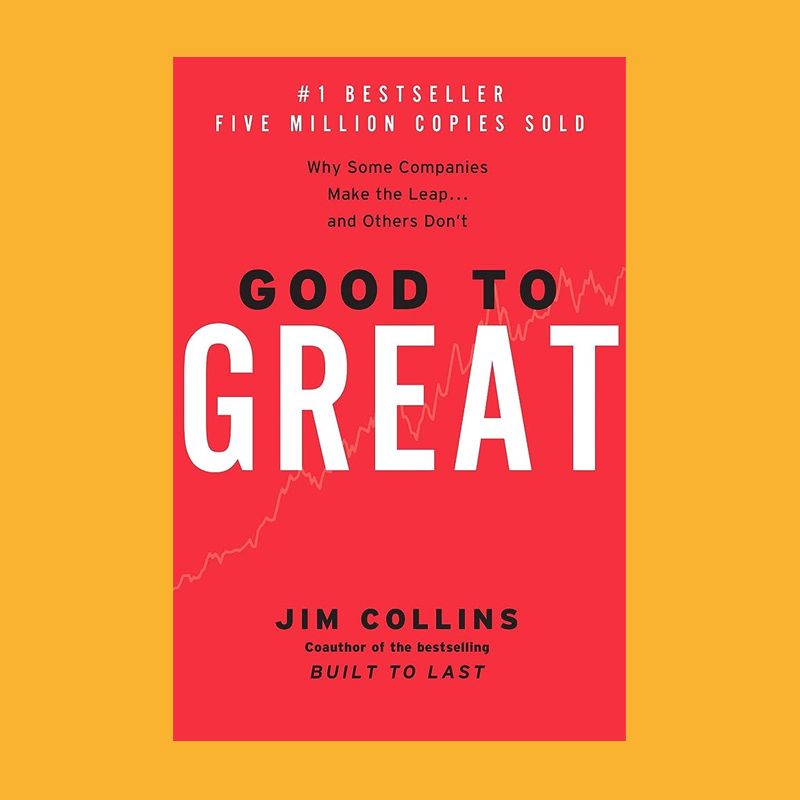
Good to Great belongs on a branding shelf because a brand cannot remain stronger than the organization behind it. Collins examines leadership, discipline, focus, and the compounding effect of consistent choices. Those ideas are useful when the brand conversation needs to move beyond communications and into the company’s operating behavior.
The companies in any historical study should not be treated as permanent models. Read the principles critically and judge them against more recent evidence. Collins maintains a Good to Great overview; you can also view the book.
5. Building a StoryBrand, by Donald Miller
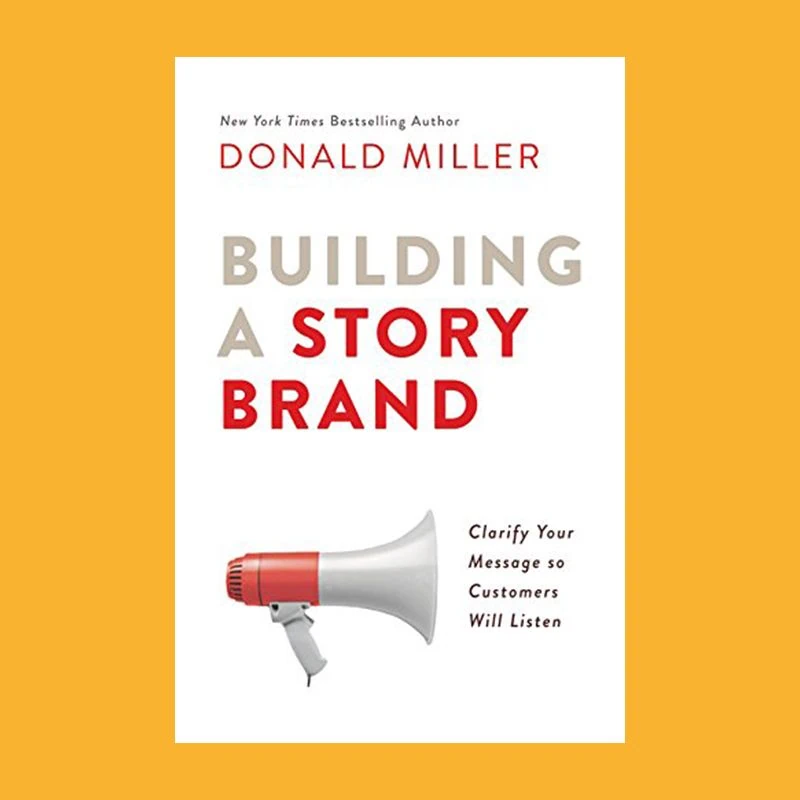
The corrected title matters: this is Building a StoryBrand, not “Building a Brand Story.” Miller’s framework is designed to clarify marketing messages by making the customer the central character and the brand a guide. It is particularly practical for homepages, sales pages, presentations, and campaigns that are trying to say too much at once.
The framework can become mechanical if every message is forced into the same plot. Use it to improve hierarchy and clarity without flattening the brand’s personality. See StoryBrand’s book page or view the book.
6. Shoe Dog, by Phil Knight
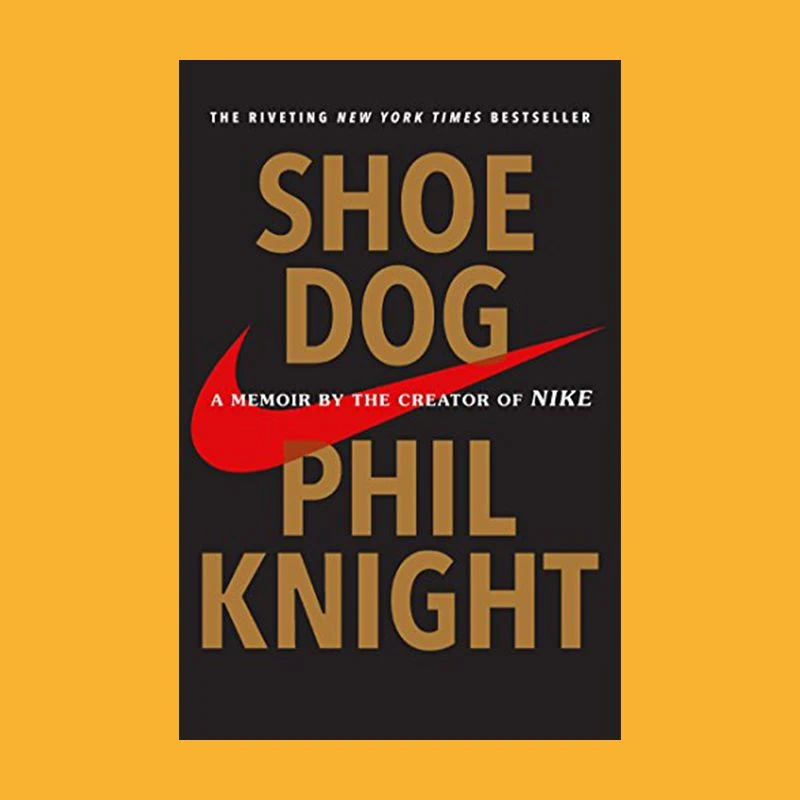
Shoe Dog is not a branding textbook. It is a founder’s account of the uncertainty, financing problems, relationships, mistakes, and persistence behind Nike’s growth. That makes it valuable when polished brand histories have made the work look cleaner than it really is.
Memoirs are perspectives, not neutral histories. Read this one to understand the founder’s point of view and the conditions around the brand’s emergence—not to copy Nike’s path. The publisher describes the book here, or you can view it on Amazon.
7. Steve Jobs, by Walter Isaacson
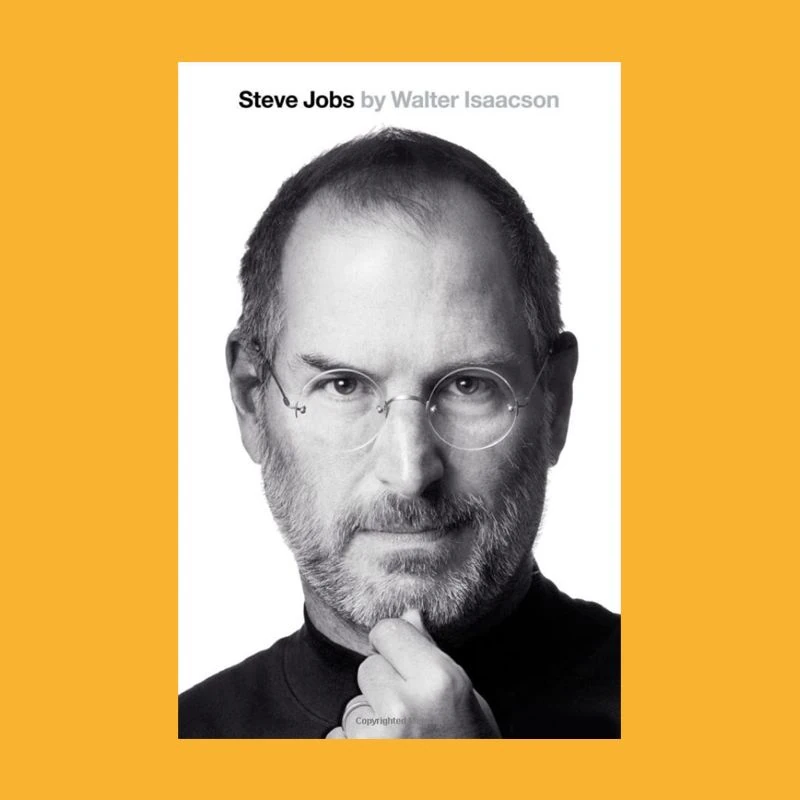
Isaacson’s authorized biography is useful for examining the tension between vision, product standards, leadership behavior, and organizational reality. For brand leaders, the most valuable material is not mythology about taste. It is the repeated connection between what a company believes, what it builds, and how relentlessly it edits.
Read it as a complex biography rather than a leadership recipe. The methods and behavior of an exceptional individual are not automatically transferable. See the publisher’s page or view the book.
8. Contagious, by Jonah Berger
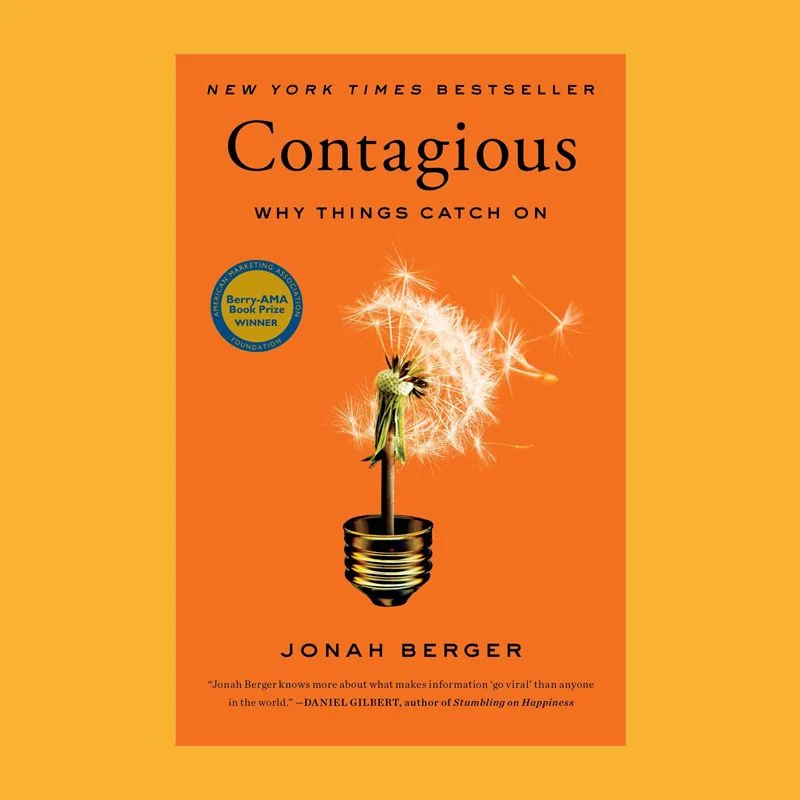
Contagious brings the spread of ideas closer to practical message design. Berger organizes social transmission into six principles, giving marketers a checklist for examining why people might remember, discuss, or share something.
No checklist can guarantee virality, and virality is not always the right goal. The more durable lesson is to design communication with human motivation and social context in mind. Berger summarizes the research and framework on his official page; you can also view the book.
9. Delivering Happiness, by Tony Hsieh
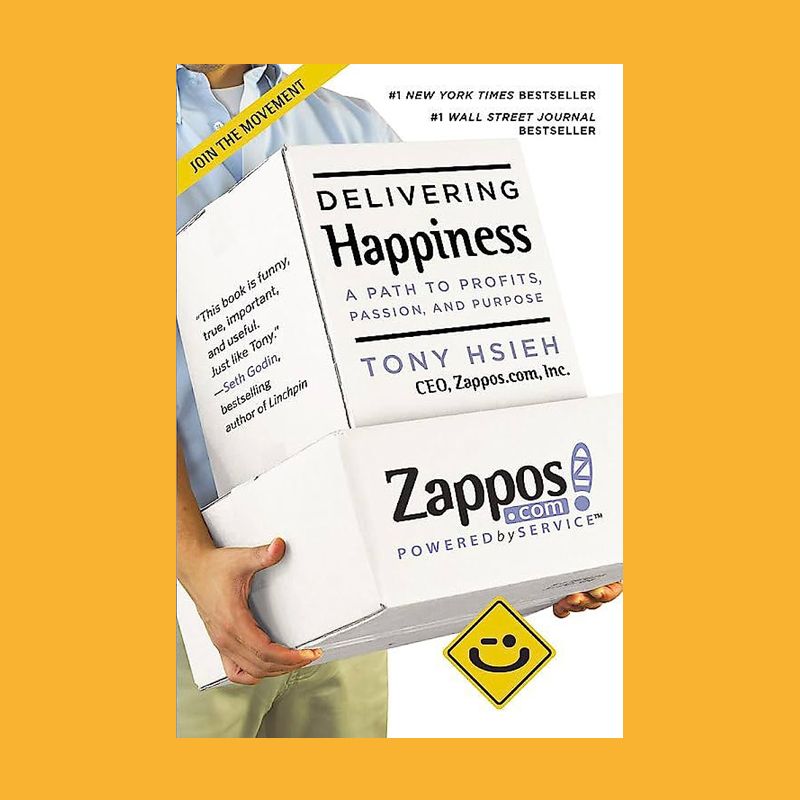
Delivering Happiness connects customer experience with employee culture through the story of Zappos. It is most useful when a team thinks brand belongs only to marketing. Service decisions, hiring standards, incentives, and everyday employee behavior all shape what customers come to believe.
As with any founder account, separate the underlying ideas from the specific company story. Use it to start a discussion about the conditions required for people to deliver the experience your brand promises. See the official book page or view it on Amazon.
10. The Cluetrain Manifesto, by Rick Levine, Christopher Locke, Doc Searls, and David Weinberger
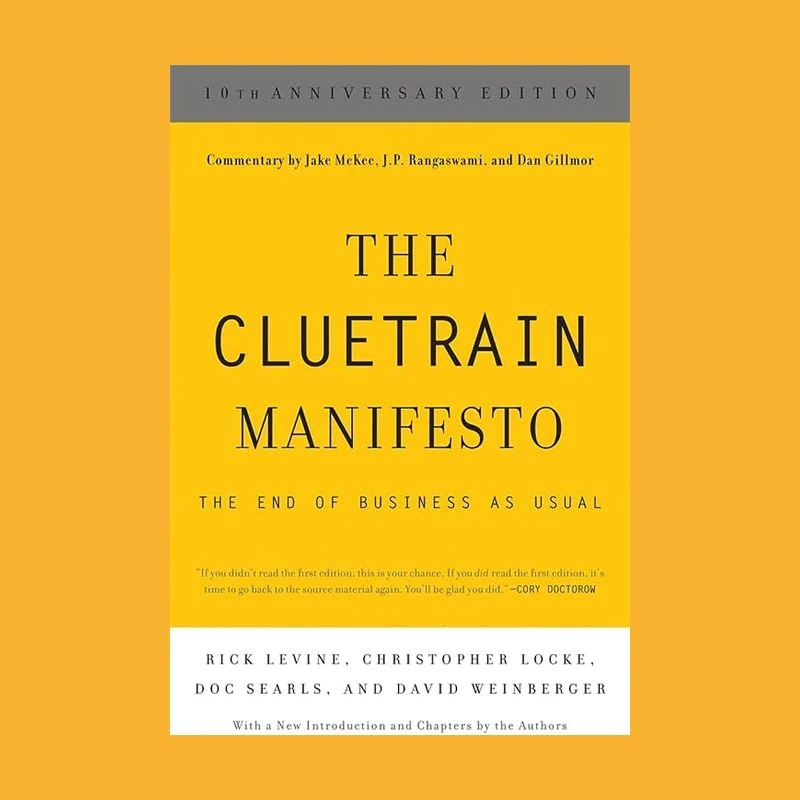
The original article credited Rick Levine alone, but The Cluetrain Manifesto has four authors: Rick Levine, Christopher Locke, Doc Searls, and David Weinberger. Its lasting provocation is that networked markets are conversations among people, not passive audiences waiting for corporate messages.
Some of its late-1990s Internet context is now historical, yet its demand for a more human organizational voice remains relevant. Read the official book page and free text, or view the print edition.
Two useful counterweights
No Logo, by Naomi Klein
Klein’s critique of corporate branding asks you to consider labor, power, public space, and the social consequences that celebratory brand books can overlook. You do not have to agree with every argument for it to sharpen your ethics and your questions.

Let My People Go Surfing, by Yvon Chouinard
The original list incorrectly added Naomi Klein as a co-author. This is Chouinard’s account of Patagonia’s management philosophy and environmental commitments. Read it as one company’s evolving attempt to align purpose, operations, products, and culture.
A reading path that turns ideas into practice
If you are building a brand system, begin with The Brand Gap, then use Start With Why to test purpose and Building a StoryBrand to simplify the message. If the problem is organizational, move to Good to Great and Delivering Happiness. If the problem is attention and transmission, pair The Tipping Point with Contagious. The biographies add texture; the two counterweights keep the shelf from becoming self-congratulatory.
The point is not to collect frameworks. It is to develop better judgment. Take one useful idea from a book, place it next to real customer behavior and company evidence, and decide what should change. That is when reading becomes brand work.