
Micromarketing: Definition, Types & Successful Examples

Think about getting ads made just for you, showing precisely what you like or need. This idea is called micromarketing, and it’s a way for businesses to reach you with very specific messages.
In this article, we’re going to learn all about micromarketing: what it is, its different kinds, and how big companies like Coca-Cola, Nike, and Amazon use it to be successful. Micromarketing isn’t just a trendy word; it’s a plan that makes customers happy, businesses earn more, and ads work better. Think about getting ads that know exactly what you like, making your shopping fun and personal.
If you’re curious about ads that really speak to you, keep reading as we reveal the mysteries of micromarketing. Whether you own a business and want to increase sales or are a shopper who desires a more custom shopping experience, knowing about micromarketing is the first step towards a more tailored future in advertising. Let’s take a closer look at the world of micromarketing.
Key Takeaways
- Micromarketing means focusing your advertising on specific groups of people and creating messages just for them to boost sales.
- Micromarketing can make customers happier, use resources wisely, and improve involvement and sales.
- Micromarketing can be expensive, take time, and raise privacy issues, so think carefully before using this approach.
Understanding Micromarketing
Businesses used to depend mainly on big, general marketing plans to talk to many people. Now, micromarketing’s a different way that talks directly to smaller, special groups with messages just for them. This way of marketing makes customers happier and more engaged, and it helps businesses make more money.
Instead of the old way of marketing to everyone, micromarketing talks to certain smaller groups or even single persons, giving them experiences and messages based on their age group, likes, and jobs. Next, we’ll look closely at what micromarketing means and discuss different ways to do it.
Definition
Micro marketing is a way of advertising that talks directly to a small group of customers or even individual people. It sends specific messages and deals to these smaller groups. The main goal of micro-marketing is to match products with what a customer likes and wants, helping the company make money through good advertising campaigns.
The big difference between micromarketing and regular marketing is its size and focus. Micromarketing talks to a smaller, specific, targeted group of people, which can make it a winning advertising strategy for businesses, no matter their size.
Types of Micromarketing
Micromarketing strategies help businesses create successful marketing campaigns by focusing on specific groups of people. These strategies include Local marketing, Individual marketing, Niche marketing, and Micro-Segment/Direct marketing. Each one aims at a particular group based on unique characteristics.
Local Marketing
Local marketing means advertising to people in a specific area, like a neighborhood or town.
By knowing what people in that area like and how they act, you can make ads that speak directly to them. This helps your business stand out and build strong ties with customers in the area, giving you an edge over competitors.
To do well with local marketing, join community events, work with local groups, and team up with popular local figures. Also, speak the way locals do, use local cultural hints, and talk about things that matter to them now.
Individual Marketing
Individual marketing is about focusing on one customer at a time, understanding that each person is different. This means giving every customer a special experience that fits what they like and need.
To do this right, you need to group customers by what they like and buy. This helps figure out things like age, buying habits, and what they prefer.
Main strategies for this type of marketing are talking directly to customers using their names and suggesting products they might like based on what they bought before. This can also mean giving them special deals that fit what they like.
Niche Marketing
Niche marketing focuses on a specific group within a larger market. It’s like aiming at a small target within a big one. By understanding and meeting the unique needs of this group, you can become known as a specialist in that area. This helps build trust and makes getting and keeping customers from that group easier.
Micro-Segment/Direct Marketing
Micro-segment marketing is like niche marketing but more detailed. It divides the market into smaller groups based on things like hobbies or buying habits. With this info, you can give customers very personal experiences.
Because these small groups often change their likes and dislikes, your marketing plans must be flexible. This way, you can quickly adjust to what each group wants.
Using micro-segment marketing can make your business a leader in its field. Being a leader can help your business stand out and be ahead of others.
Different micromarketing methods might offer current customers special deals and loyalty programs or focus on a specific industry’s unique needs. Knowing how to use these various methods allows businesses to create marketing campaigns connecting with their specific target audience.
Combining Multiple micromarketing strategies.
Uber Eats and Doordash have both done this successfully by implementing multiple facets of micromarketing, including local marketing, individual marketing, and even micro-segmentation based on analytics simultaneously.
For example, suppose an order was just placed from a certain restaurant heading to your area in the next 30 minutes. In that case, Uber Eats can suggest the same restaurant with an enticing coupon that will expire in the next 5 minutes to others in the same destination area and possibly fulfill multiple orders on the same trip. It’s catching these people just as they intend to look for food at that moment and suggest locations based on their previous purchase history. This helps them ensure more sales while also reducing the delivery cost.
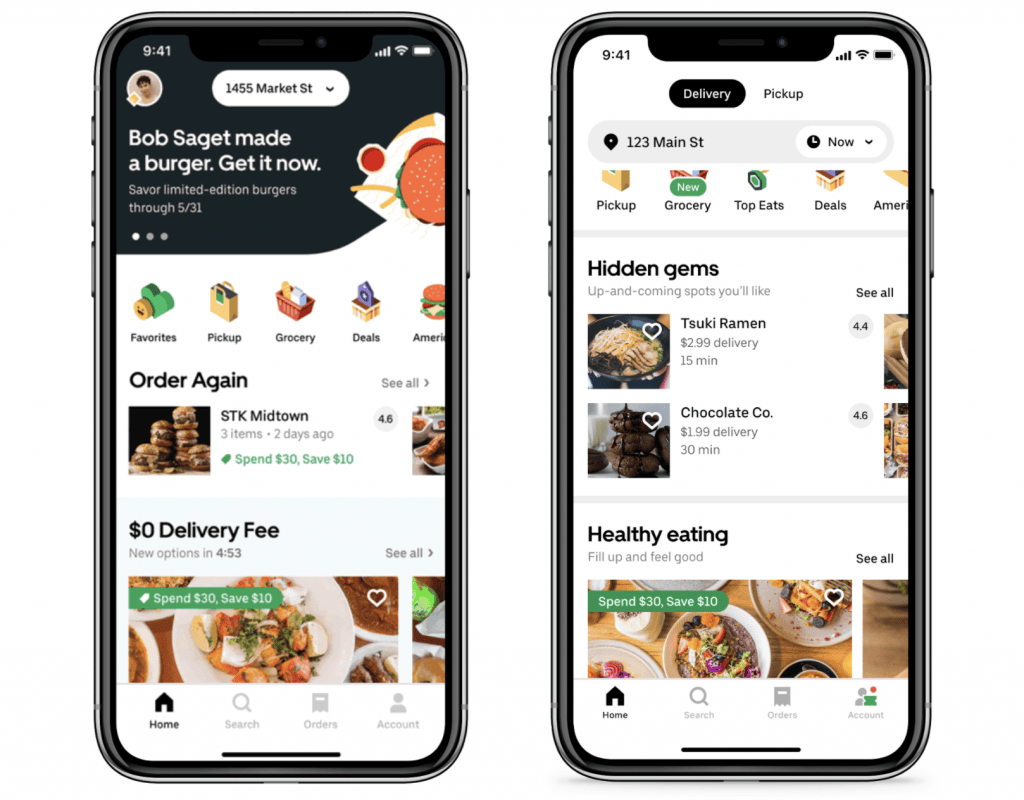
I saw this first hand when I recently ordered lunch from an Italian restaurant. I was informed that the driver would also be stopping by a convenience store on their route if I wanted to add anything, so I added my favorite milk tea to the order at no additional delivery cost. Companies like Doordash and Uber Eats leverage machine learning and AI to predict consumer and market behavior to better react in real-time and deliver their micromarketing strategies.
Benefits of Micromarketing for Businesses
Micromarketing has many advantages for businesses, like focused campaigns, better customer experiences, and smart use of resources. It helps businesses create messages and offers that strongly connect with particular groups of customers, making them more likely to buy something or engage with the business. This marketing strategy works for all businesses, big or small, by helping them tailor their marketing to fit the needs and wants of their specific audience.
However, weighing these advantages against possible challenges with micromarketing, such as being expensive, taking a lot of time, and dealing with privacy concerns, is vital. We’ll dig into these challenges in more detail next.
Targeted Campaigns
Micromarketing is excellent for businesses because it lets them create unique advertising campaigns for certain groups of customers. This means companies can:
- Make messages and deals that really speak to their customers.
- Pay attention to specific groups of buyers
- Get more interaction and sales
Using micromarketing helps businesses do better in their advertising, get customers more likely to stick around, and help the business grow by being involved.
However, it’s important to remember that these unique campaigns can have some problems. They can be expensive and take time to create and use. Plus, businesses must ensure they follow rules about keeping customer information private.
Enhanced Customer Experience
Using micromarketing to make marketing messages and offers more personal can improve the whole customer acquisition experience. When businesses give customers personalized experiences, they make them happier and help build loyalty to the brand. Investing in micromarketing helps businesses build a stronger connection with their customers, which can keep them coming back.
Micromarketing is good for businesses and customers alike. When businesses pay attention to what individual customers need and like, those customers feel important and appreciated. This helps build a stronger bond with the brand and makes shopping more fun.
Efficient Resource Allocation
Micromarketing helps businesses use their resources wisely by focusing on customer groups most likely to grow and bring in profits. By zeroing in on these specific groups, companies make sure they put their money and efforts into approaches that give back the most benefits.
Using resources smartly is crucial for all businesses to work best and be productive. They can achieve this by carefully choosing where to use their resources, ensuring they are put to the most valuable use while balancing various needs and priorities.
Challenges of Micromarketing
Micromarketing has many perks, but it also has some downsides that businesses must consider. It’s essential to look at the good and bad points, like its often high cost, how it can take a lot of time, and worries about privacy, to determine if micromarketing is the right fit for your business.
Knowing about these challenges helps businesses decide whether they should use micromarketing and how to handle any possible risks. Next, we’ll take a closer look at these challenges and how they can affect businesses.
High Costs
Micromarketing can be tricky mainly due to its costliness and lack of bulk savings (or economies of scale).
Creating special marketing messages and deals that suit particular groups of customers can get pricey. Businesses need to spend money to figure out and create just the right products and messages for these groups. Also, because micromarketing doesn’t produce items in big batches, the cost for each item tends to be higher than mass marketing methods. However, for some companies, the higher costs might be worth it. This is because micromarketing can lead to happier customers who stay loyal to the brand, which might be a good trade for the extra expense.
Time-Consuming Process
Micromarketing can be tricky because creating and using campaigns takes a lot of time and work. You have to do a lot of research and look at data to figure out who to target and how to create unique marketing messages for them. Even though it takes a lot of time and can be challenging for businesses, especially if they need more resources or are in a hurry, it can also bring good results.
The extra time spent on micro marketing can lead to better results like happy and loyal customers. By putting time and work into micromarketing strategies, businesses can make marketing campaigns that connect with the people they want to reach.
Privacy Concerns
Gathering and using customer information to target small groups in marketing, known as micromarketing, can worry people about their privacy. Businesses must follow tight rules about protecting data, like the General Data Protection Regulation (GDPR) and the California Consumer Privacy Act (CCPA). If businesses don’t follow these rules, they might have to pay hefty fines.
Even with privacy worries, businesses can use micromarketing by having strong data safety steps and being open with their customers. They can build trust and lower privacy risks by being transparent about collecting and using data.
Micromarketing vs. Niche Marketing
Micromarketing and niche marketing are similar, but they have some differences. Both marketing strategies aim to reach specific customers. Still, micromarketing is even more focused by aiming at small groups or individual people within a smaller market. On the other hand, niche marketing targets a specific, small niche group or market segment as a whole.
For example, micromarketing might involve a business creating special products just for women who work on product teams in new companies. But niche marketing might aim products or services at all women on product teams, no matter how big or established their company is. Both of these methods are valuable in their own ways, and businesses need to think about which makes the most sense for them based on their goals and their available resources.
Real-World Examples of Successful Micromarketing Campaigns
Some famous companies have used micromarketing to promote their products in special ways, effectively reaching specific groups of people. For example, Coca-Cola created the “Share a Coke” campaign, where they put common names on their cans and bottles. This excited people to find and buy drinks with their names or the names of friends and family.

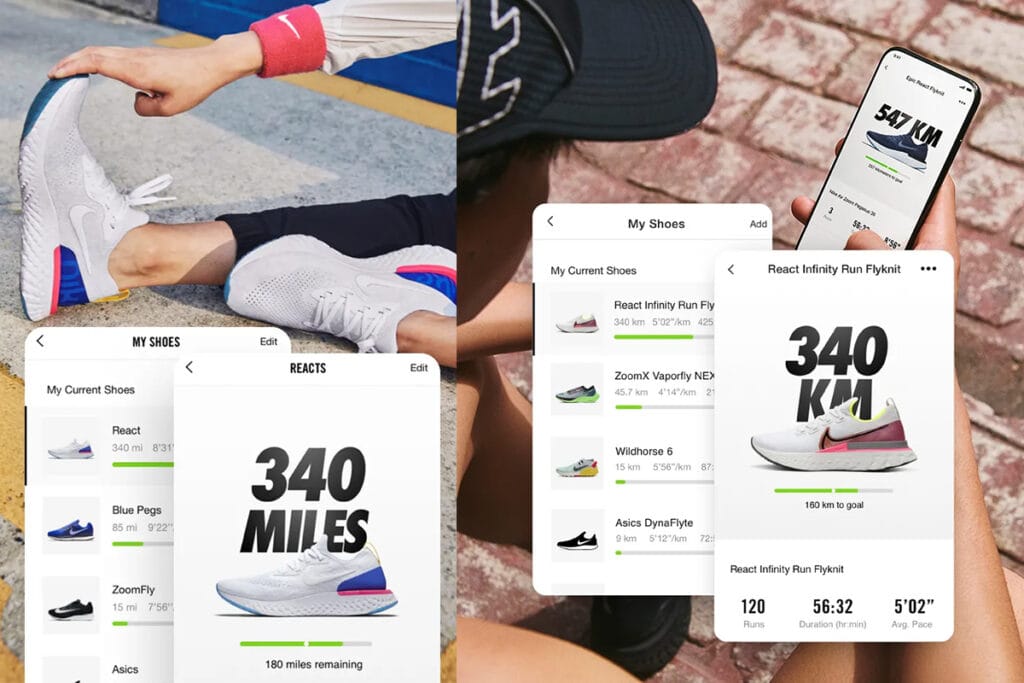
Nike also used micromarketing with their Run Club app. It tracks your running and gives personalized advice, challenges, and prizes based on your activity and where you run. They focus on people who love running, giving them special experiences and messages.
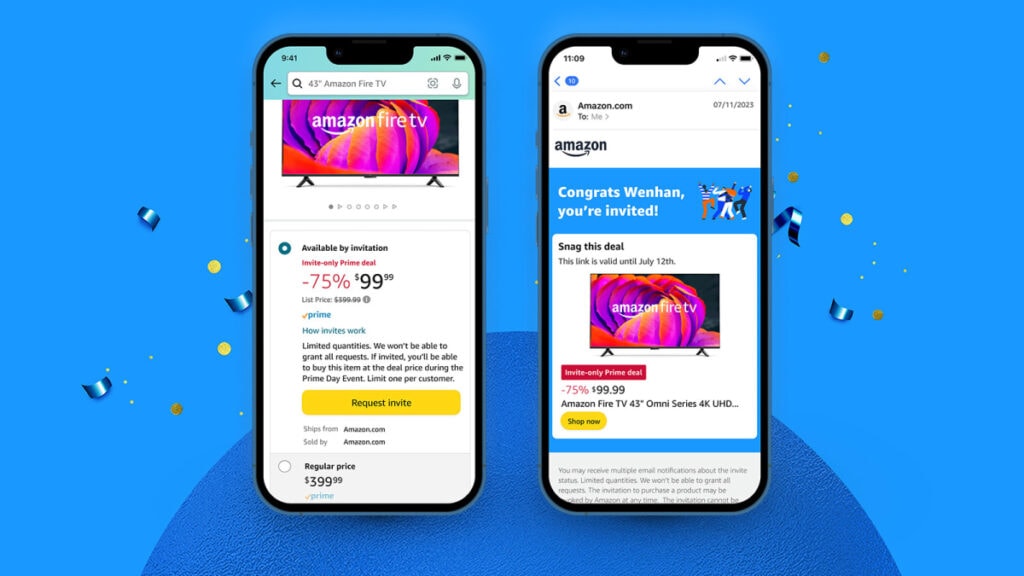
Another example is Amazon’s “Prime Day” campaign, which offers special deals for their Prime members. This focuses on a particular group of their shoppers, encouraging them to buy more through special deals and showing the effectiveness of micromarketing.
Implementing Micromarketing in Your Business
Micromarketing means focusing on a small group of customers to make them happy and loyal to your business. To do this well, businesses can follow precise steps to create campaigns connecting with these customers. This involves figuring out who to target, creating particular messages and deals for them, and then seeing how well the marketing campaign worked.
Before starting with a micromarketing campaign, businesses must consider this strategy’s good and bad sides. They should think about whether the time and money spent on it is worth the possible increase in happy, loyal customers. This helps businesses decide wisely about using micromarketing and plan for any issues that might come up.
Identify Target Segments
To start a good micromarketing plan, figure out who you want to sell to. Look at things like age, interests, and how people behave to decide. Knowing who your target customers are helps businesses shape their ads and sales efforts to what these people want and like. You can achieve this by creating buyer personas.
Think of a buyer persona as a detailed picture of your perfect customer. It tells you what they need, what problems they face, and how they shop. For example:
Making Buyer Personas: To create these profiles, gather two types of information. First, get numbers: like how many special customers you have or how much they typically spend. Second, learn about who they are: their age, job, hobbies, and more.
You can get this info in different ways. Tools like customer management systems show how people shop with you. To really understand your customers, you can also use surveys or talk to them directly.
After knowing who to sell to, companies create unique messages and deals for them. Doing this ensures ads speak to these folks, making them more likely to buy something and become new customers.
Develop Personalized Messaging and Offers
Once businesses know their specific customer groups, they can make particular marketing messages and deals that speak to what those customers like and need. Businesses can make messages and deals that connect with customers by using information and character sketches of these customers.
This step is super important for doing well in micro marketing campaigns because messages and deals that feel personal boost how happy and loyal customers are. By paying attention to their customers’ different likes and needs, businesses can make marketing campaigns that grab attention and work really well, making their marketing efforts successful.
Measure Campaign Success
It’s crucial to check if micromarketing campaigns are working well to make sure future marketing plans are innovative and use good data. Companies can see what’s working and change their plans by watching how campaigns do.
Some big companies like Coca-Cola, Nike, and Amazon have shown how powerful focused marketing can be. Using a step-by-step plan helps companies create highly targeted micromarketing campaigns that connect with the right customers and boost their happiness, involvement, and loyalty.
Wrapping Up
Micromarketing lets businesses create specific ads that speak directly to a small group of customers. It’s like using a spotlight to shine light on just a few people instead of a big crowd. By focusing closely, companies can make ads that matter to these people. This can be really good for the business because the ads are more likely to work. Big companies like Coca-Cola and Nike use micromarketing and have seen great results. It’s essential to understand how a micromarketing strategy differs from other strategies, like niche marketing, so businesses can decide if it’s the right choice. Ready to see how micro-marketing can work for your business?
Frequently Asked Questions
What is micromarketing?
Micromarketing means advertising, especially to a small group or type of people, to sell products directly to them. It’s like crafting special ads for a specific group in the crowd.
Can you give an example of micromarketing?
Think about Red Bull: they focus their ads on young people and those who love sports. Or consider Coca-Cola’s “Share a Coke” ad campaign. They put different names on their bottles, making people feel special and exclusive when they find their names.
What’s the difference between micro and macro advertising?
Macro advertising aims to reach as many people as possible, casting a wide net. On the other hand, Micromarketing zooms in on smaller, specific groups of people, tailoring ads just for them. Both approaches have their own ways of effectively selling products.
How is micromarketing different from niche marketing?
While micromarketing homes in on individual people or tiny groups, niche marketing is about appealing to a larger, specialized, niche market segment.
Why might businesses choose micromarketing?
Micromarketing can benefit businesses because it allows them to focus their advertising, create a better shopping experience for customers, and use their resources smartly to get a better return on investment.