Luxury branding is often reduced to expensive materials, limited quantities, and a sufficiently serious serif typeface. Those signals can help, but none of them creates luxury by itself. A high price without a coherent world is merely a high price.
A luxury brand earns its position by making a sequence of disciplined choices: what it stands for, what it refuses to compromise, where it appears, how it behaves, and which details it repeats until they become recognizable. The customer is not only buying an object. They are buying confidence that every part of the experience belongs to the same idea.
That is why luxury is better understood as a system of coherence than a collection of visual effects. Story, quality, scarcity, service, distribution, and partnership all have to reinforce one another. When one contradicts the rest, the spell breaks surprisingly quickly.
Listen to the original AskNam episode on Spotify.
In this article
Luxury begins with coherence
Every brand makes a promise. A luxury brand makes that promise under a brighter light. Customers notice the texture of the package, the tone of the service, the pace of the release, the environment in which the product appears, and whether the brand seems to believe its own story. The details become evidence.
This does not mean everything must be traditional, formal, or restrained. Luxury can be quiet or theatrical, old-world or experimental. What matters is that the choices feel intentional and mutually reinforcing. A rebellious brand can still be exacting. An understated brand can still surprise. The problem begins when the business borrows the surface language of luxury while operating like an interchangeable commodity.
| Brand choice | What the customer reads from it | Common contradiction |
|---|---|---|
| Story | A distinctive reason for the brand to exist | A generic origin rewritten as mythology |
| Product | Standards that justify attention and care | Premium language around ordinary execution |
| Distribution | Where and how the brand belongs | Chasing reach in channels that weaken the position |
| Service | Respect before, during, and after purchase | A polished campaign followed by a careless experience |
| Partnerships | A meaningful expansion of the brand world | Borrowed prestige without a credible connection |
A story must change decisions
A brand story is useful only when it influences what the company makes and how it behaves. A founder anecdote pasted into an About page is not strategy. The story should create a point of view strong enough to guide materials, collaborators, retail partners, communication, and even the opportunities the company declines.
What I learned from Society of the Spectacle
In 2007, shortly after college, my sister and I launched a fashion brand called Society of the Spectacle. I brought branding experience that included consulting work for subsidiaries within the LVMH network; my sister brought relationships within the social world we hoped to reach. Our ambition was to connect high fashion with social commentary in a way that still felt desirable rather than didactic.
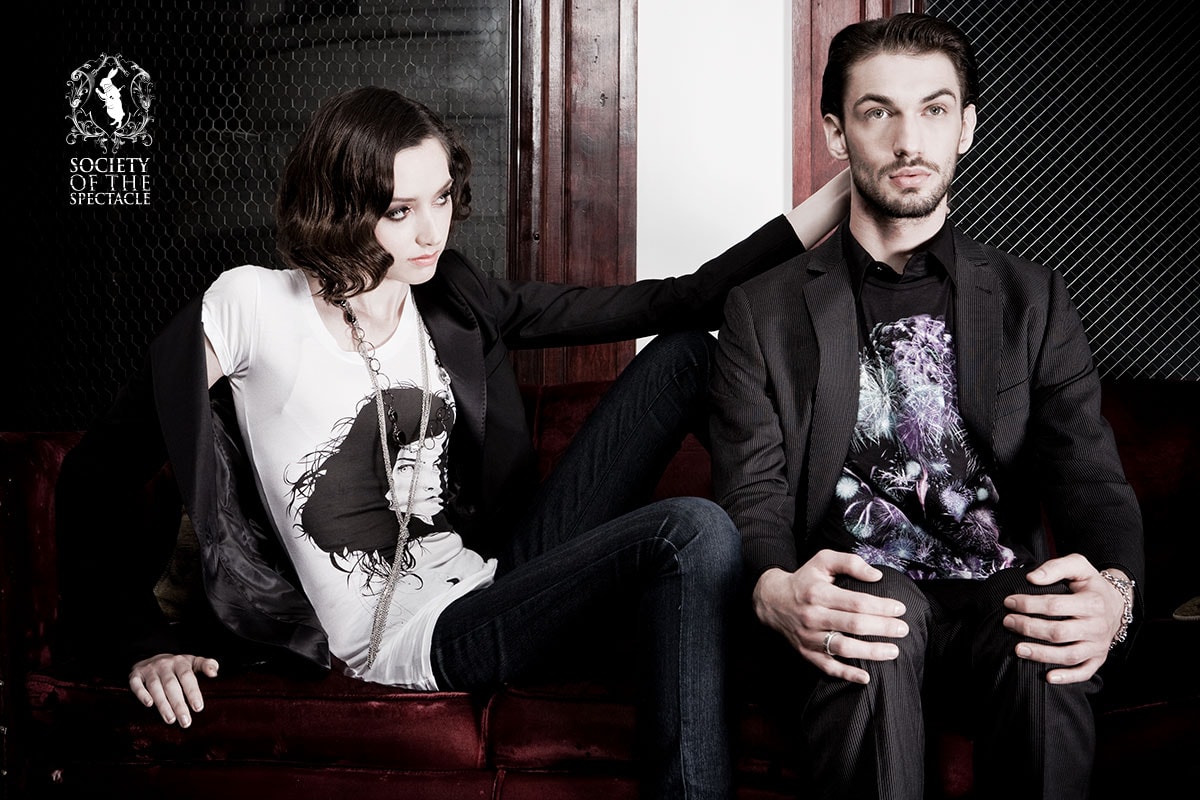
That idea affected the product itself. We sourced high-quality, more sustainable fabrics and treated hangtags and packaging as part of the design, not an afterthought. Even a T-shirt had to carry the same standard and point of view as the larger brand. The pricing followed those choices; it was not the first choice.
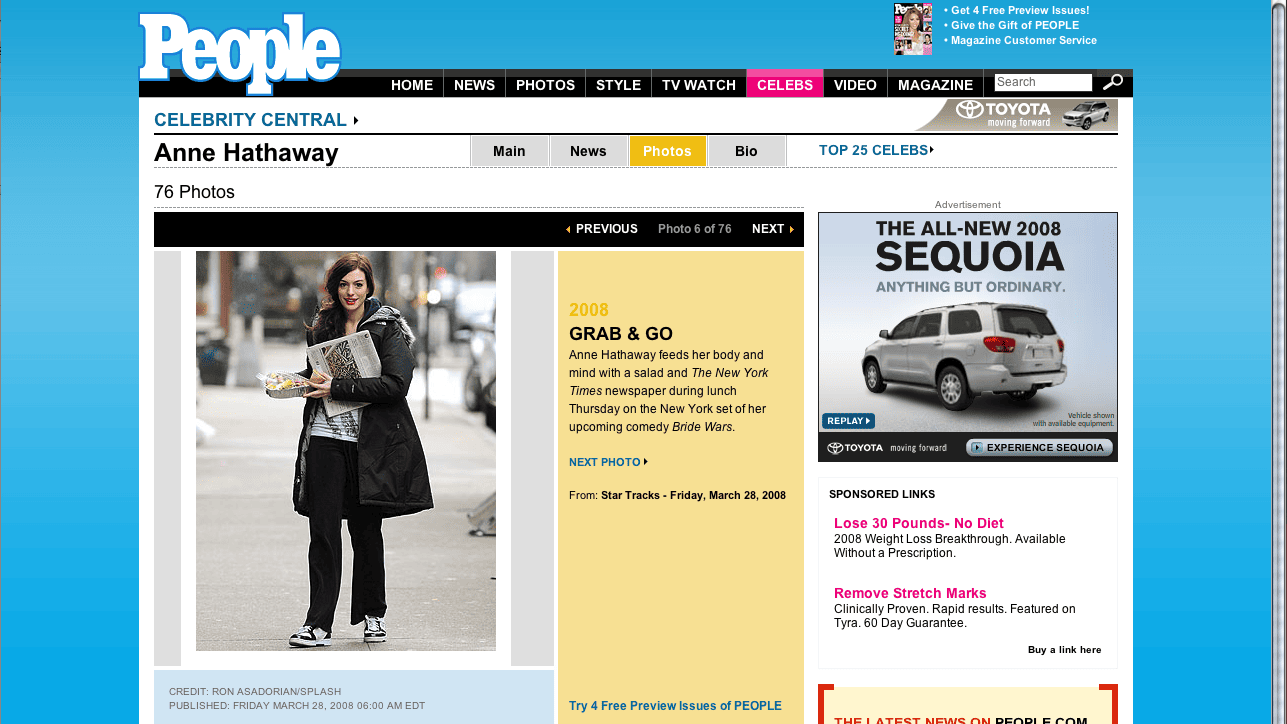
We took the collection directly to influential boutiques in Beverly Hills. Fred Segal and Kitson were among the early retailers. After Anne Hathaway was photographed wearing the brand during the filming of Bride Wars, stylists began contacting us, and the work appeared on performers including Selena Gomez, members of Linkin Park, and Adam Lambert. The brand later found a place at Nordstrom and Saks Fifth Avenue.
Celebrity visibility helped, but it was not the whole story. Retailers needed to see a credible world behind the attention: an origin, a visual language, product standards, and a reason the brand could continue after one photograph. Publicity can introduce a luxury brand. It cannot supply the substance the product and organization failed to build.
Quality has to be operational
“Quality over quantity” is so familiar that it risks becoming another decorative phrase. In practice, quality is a chain of operational decisions: design time, material selection, supplier standards, construction, inspection, presentation, service, repair, and what happens when something goes wrong.
Hermès offers a useful example because its history shows continuity without stillness. The company traces its beginnings to Thierry Hermès’s harness workshop in Paris in 1837. Over generations it expanded from saddlery into leather goods, silk, ready-to-wear, watches, beauty, and other categories while repeatedly connecting new work to craft and changing customer needs. In 2025 it opened its twenty-fourth leather-goods workshop in France, according to the company’s own history.
The lesson is not that every premium company needs a nineteenth-century founder or workshops in France. It is that heritage becomes valuable when it remains visible in contemporary decisions. A story about craft means little if the product, service, and pace of growth contradict it.
Scarcity works the same way. Genuine limits can emerge from specialized labor, material availability, careful distribution, or a deliberate creative cadence. Artificial scarcity can produce a short burst of attention, but repeated manipulation trains customers to see the mechanism. Luxury depends on desire, yet durable desire still needs belief.
Partnerships need a shared meaning
A strong luxury partnership does more than place two logos next to each other. It gives each brand a way to express something that would be less credible alone. The audience should understand the relationship before the press release explains it.
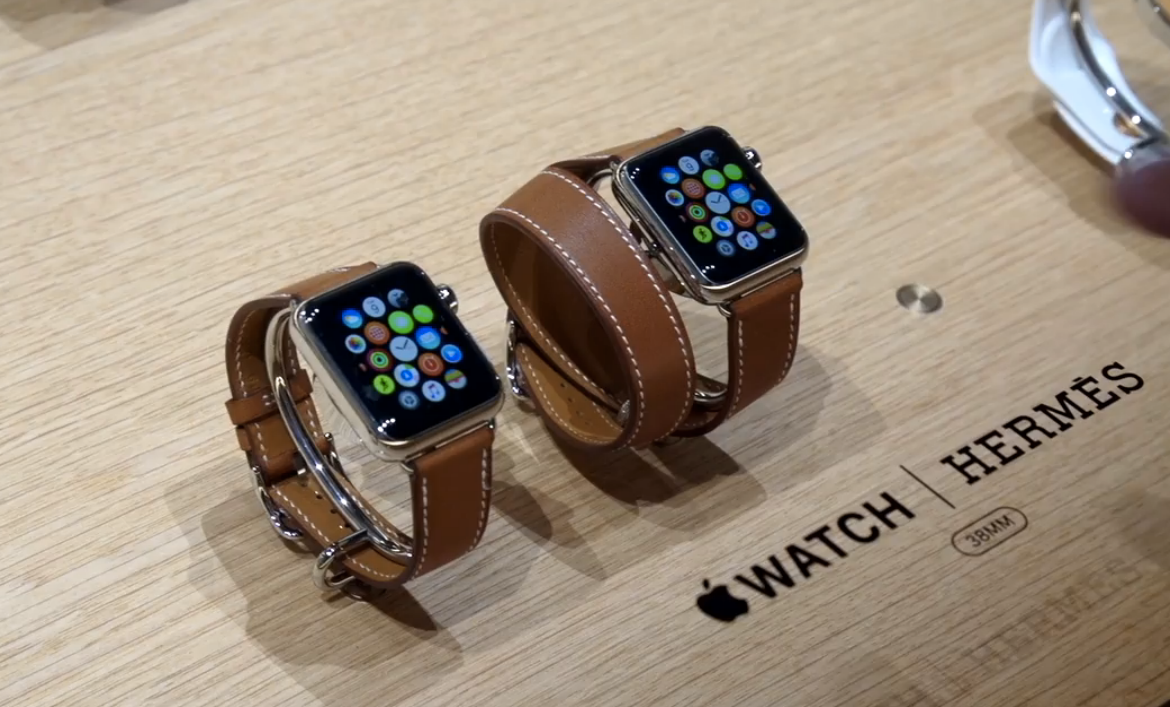
Apple Watch Hermès is a clear example. Apple contributed the technology platform and product ecosystem. Hermès contributed leatherwork, watchmaking context, and its own design codes. Hermès records the partnership as beginning in 2015 and includes it within a longer history of adapting its craft to new ways of living. The collaboration makes sense because both brands can recognize themselves in the result.
Before entering a partnership, ask four questions. What can each side contribute that the other cannot? Will the combined product still feel credible to both audiences? Does the collaboration create something useful or merely something collectible? And what happens to each brand after the attention passes?
A mismatch may generate conversation, but conversation is not automatically equity. Borrowed prestige is expensive when it confuses the brand people were supposed to value.
Three disciplines for building a luxury brand
1. Define what must remain true
Write the brand’s non-negotiables in operational language. Which materials, behaviors, environments, and standards are essential? Which shortcuts would make the promise untrue? A useful brand principle should help settle an argument about the product, not merely decorate a presentation.
2. Make every touchpoint carry evidence
Map the complete experience from discovery through ownership. The advertisement, website, retail environment, unboxing, service conversation, and post-purchase relationship should not feel like separate companies. They do not need to look identical, but they should express the same level of care.
3. Protect the meaning while the business grows
Growth creates pressure to add channels, categories, discounts, and collaborations. Evaluate each choice by what it teaches the customer to expect. Wider availability is not automatically damaging, and exclusivity is not automatically valuable. The question is whether expansion strengthens the brand’s meaning or trades it for a temporary number.
Luxury branding is the discipline of making fewer contradictions. The story must be supported by the product. The product must be supported by the experience. Partnerships must extend the meaning rather than rent it. Price, scarcity, and prestige are outcomes of that coherence—not substitutes for it.
Sources
- Hermès: Six generations of artisans, including the company’s history, craft development, Apple partnership, and 2025 workshop opening
- Apple: Apple Watch Hermès, current product expression
- AskNam: The role of storytelling in marketing