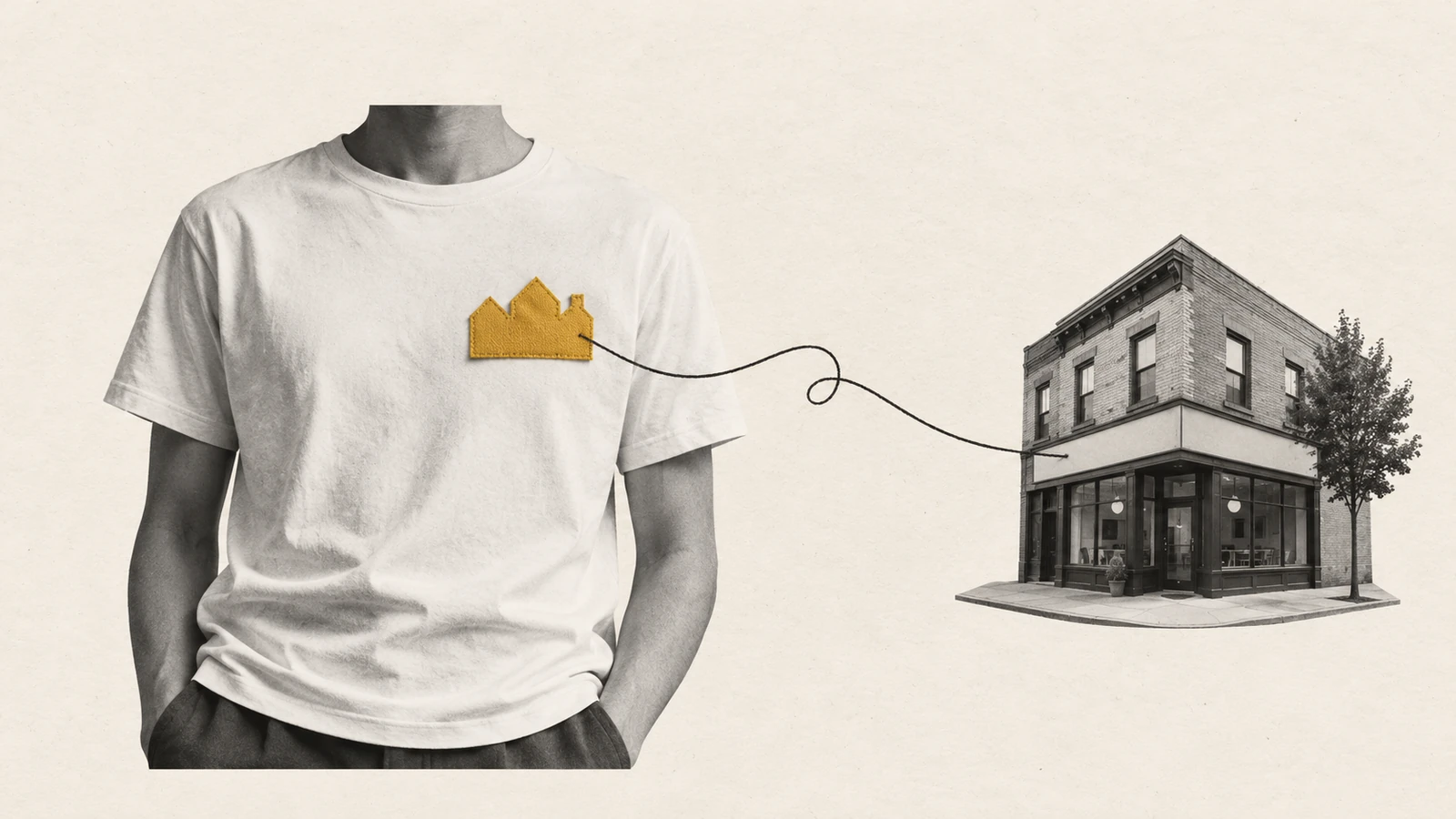
A rent rewards company selling clothing sounds, at first, like a marketing department has wandered into somebody else’s business. Then you consider what people actually want from a reward. Sometimes they want money back. Sometimes they want access to something that says a little about who they are. Bilt is betting on the second possibility, and I think there is a serious brand strategy inside that bet. There is also a measurement problem, which is usually where serious brand strategies go to get cut from the budget.
An October 14 Business Insider report examined Bilt CMO Zoe Oz’s investment in merchandise, events, and other experiences whose individual contributions to customer lifetime value are difficult to isolate. Bilt can see whether members who buy its merchandise also use more of its services. It cannot easily prove the merchandise caused that engagement. Anyone trying to build a relationship beyond the transaction knows this problem well. The more useful question is whether those interactions give people something they value enough to keep the relationship going, and how a company would recognize that before the spreadsheet can confirm it.
Bilt connects housing payments with rewards and neighborhood benefits. Its Locals Collection, announced September 18, applies that idea to apparel and goods, drawing on diners, bodegas, garages, motels, and other neighborhood references. A diner mug and a motel keychain serve as the collection’s mascots, and members can buy pieces with points, Bilt Cash, or a linked card. In other words, a loyalty program is handing people something physical to associate with belonging. That could be powerful, provided the people wearing it recognize themselves in the expression.
A neighborhood has more than one identity
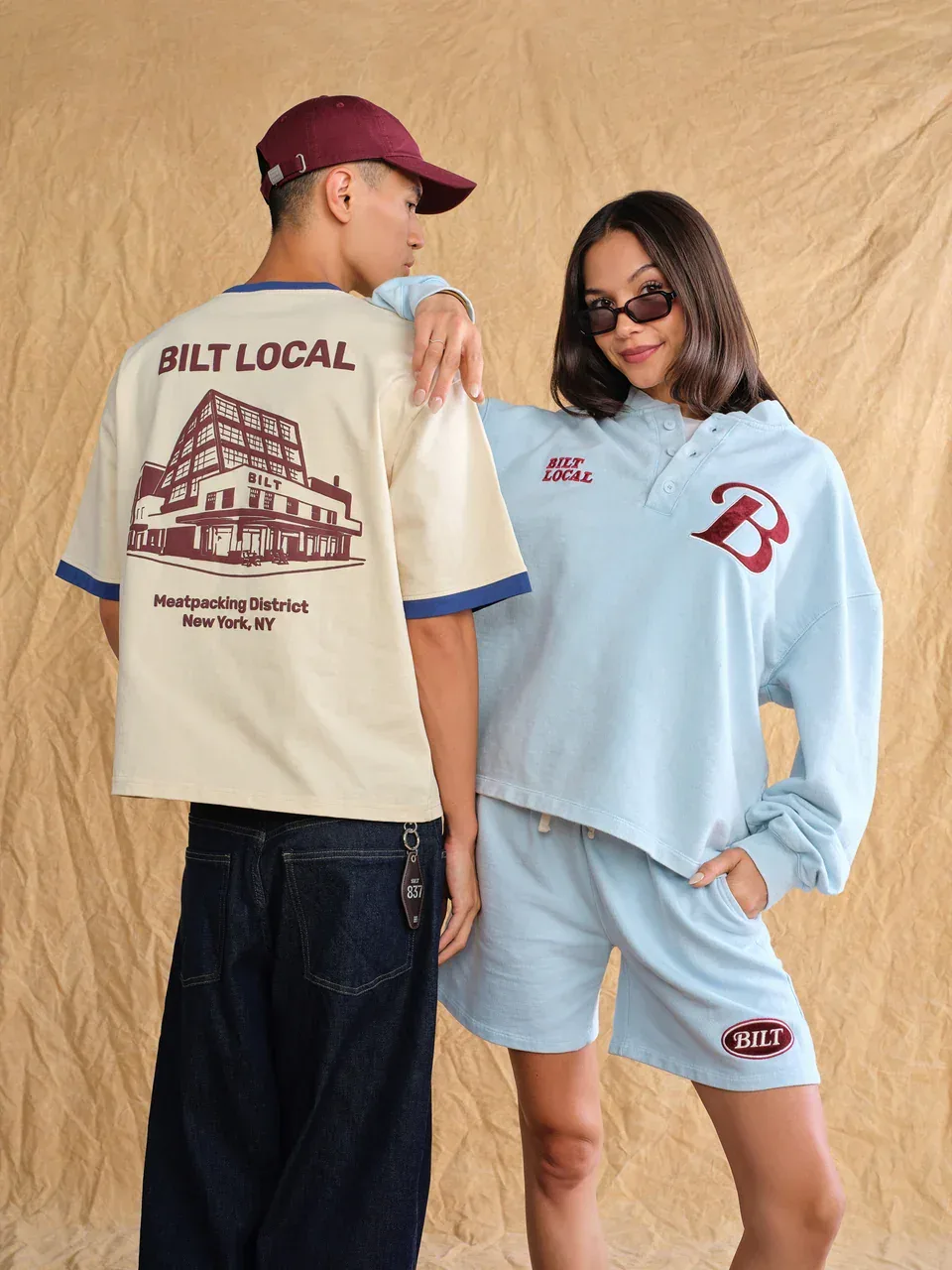
My first response to the collection was to question who was defining the culture. I liked the retro direction. It is an accessible way to celebrate a place, particularly somewhere with recognizable history. But a neighborhood’s past and its residents’ current taste are different things. A historical image might represent where people live without representing anything they want to wear.
That is where the creative process starts to interest me. What informed the choice? Who helped make it? Is the design speaking to a particular group within that neighborhood, or assuming that everyone shares the same taste? A place can contain several overlapping cultures, including people whose preferred expression is entirely contemporary. Repeating a nostalgic visual formula in every city would eventually tell us more about the design team’s preferences than about the people being represented.
Bilt says the collection was designed in-house and informed by member surveys and conversations. That is a useful starting point, although the announcement does not say which feedback shaped which pieces. I would like to see that connection made more visible: whose input shaped a particular design, what they cared about, and how it found its way into the finished product. A brand claiming to express a community has an opportunity to tell the story of the people who gave that expression its meaning.
Creative direction can also be personal, and there is nothing wrong with that. When people ask how I choose designs for CyberPowerPC apparel, my answer is simple: I want to make clothing I would wear. I like luxury streetwear, including the visual freedom of brands such as Off-White, Ambush, and Cactus Plant Flea Market. Sometimes I joke that I am trying to make the kind of clothes I cannot afford. There is truth in that. The taste comes first, followed by a bet that other people will appreciate it too.
That freedom has led me to hand-draw our icon, reinterpret our lettering with fat markers, and bring a rougher, handmade quality into a category that often prefers a clean technology aesthetic. I am comfortable owning that choice. I am expressing a direction I want for the brand and inviting people who connect with it to participate. Claiming to express an entire community requires a different kind of grounding.
The connection becomes convincing when you can trace it
Bilt does have a relationship with the place featured in its Meatpacking District references. In October 2025, the company announced its headquarters at 837 Washington Street, and the collection’s October 1 pop-up took place there. That makes the neighborhood connection more concrete. It still leaves room to explain the individual creative choices, which would make the work more interesting.
The example that changed my view more substantially came earlier. Bilt’s A$AP Rocky partnership, announced in December 2025, paired an exclusive vinyl edition of Don’t Be Dumb, designed by Rocky, with a commitment to cover January 2026 rent for tenants in the Harlem building where he spent his teenage years. The artist, the place, the creative object, and the community benefit had a relationship people could follow.
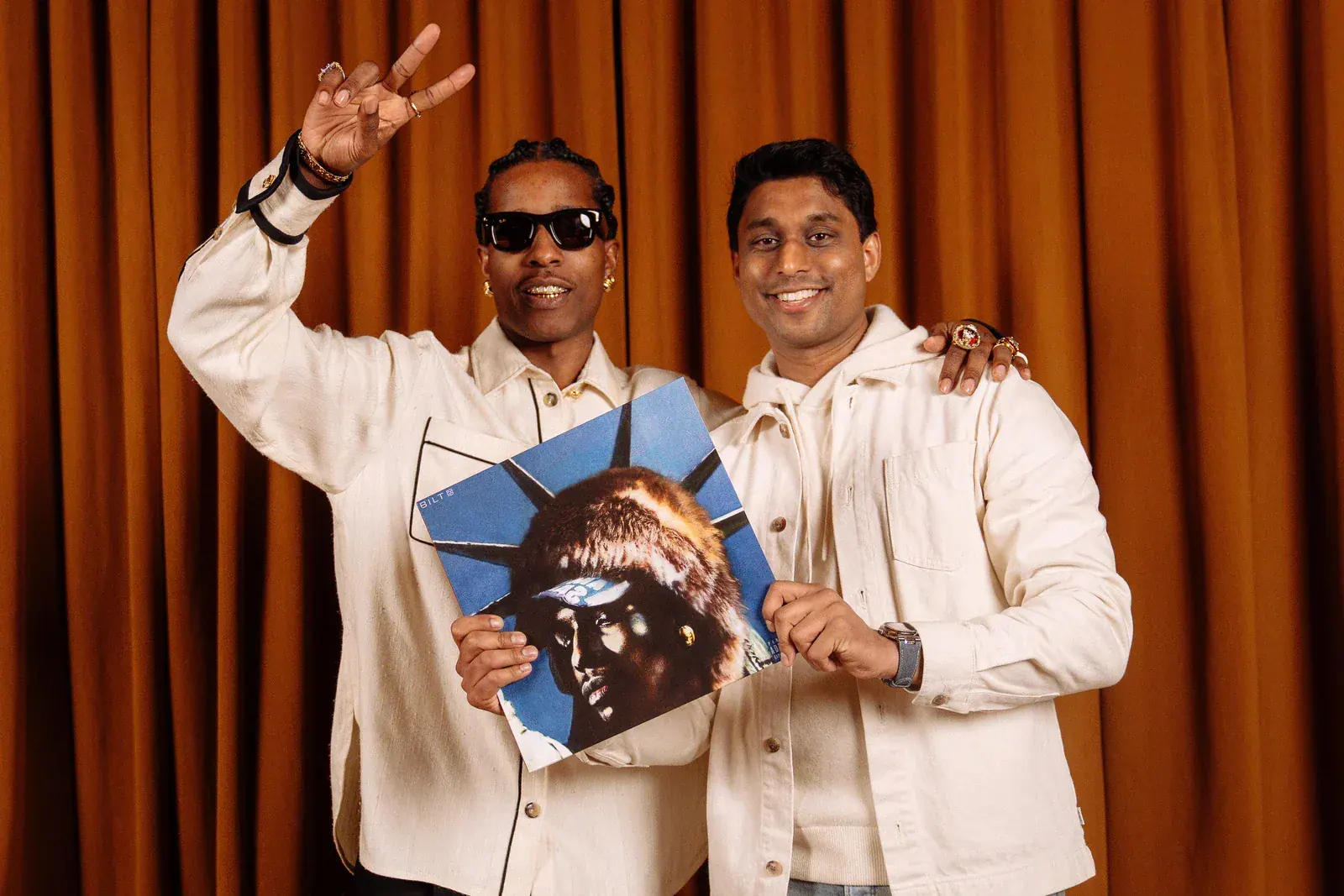
That was the kind of authenticity I had been looking for. Someone with a lived connection to a place helped create something his audience might value, while the partnership also addressed a need in the community that shaped him. It also widened the discussion beyond clothing. The right reward could be a record, an experience, or something else entirely. What matters is whether the relationship makes sense to the people involved.
Make something people want to live with
At CyberPowerPC, our apparel is a limited expression of the brand, often available through events or invitation. It is not our core business. We run out, people keep asking for pieces, and I see people wearing them at later events and in everyday life. Those observations tell me the clothing has value to its audience beyond the moment we handed it over. They do not tell me how many computers a jacket sold.
I think that distinction matters. We wanted clothing people would feel proud to wear, so the design or message usually takes priority and the logo plays a smaller role. I used a similar approach with my earlier fashion brand, Society of the Spectacle, where the garment carried a social or political idea and the brand mark could be a tiny embroidery near the bottom. The person wearing it had something to express.
Corporate merchandise too often assumes the company’s desire to be seen is enough reason for someone to wear it. That produces what I think of as swag with no soul. The wearer needs something from the exchange too. It might be style, an idea, recognition among people with similar interests, or access to something others cannot easily get. A large logo can communicate those things when the brand has earned that meaning. Printing it larger does not create the meaning.
In Bigger, Smarter, Stronger Brands, I discuss how a product’s social meaning becomes part of what people are buying. Exclusivity contributes to that value when the object signals something its audience cares about: taste, identity, or belonging. That gives us a more useful way to evaluate Bilt’s rewards. A limited-run shirt might attract attention because it is scarce, but its connection to a neighborhood becomes meaningful when people recognize themselves in it and want others to recognize that connection too. Scarcity can make something harder to get. The cultural connection gives someone a reason to want it.
For Bilt, I would want to know whether the neighborhood and its people are doing enough of the talking. The company should gain recognition from the relationship, of course. But if local identity is the attraction, that identity deserves enough room to be recognizable on its own terms.
Scaling the research is part of scaling the reward
This is where the business becomes difficult. One convincing collaboration does not establish a repeatable understanding of every community. Bilt could invest in deeper research and develop a few places carefully. It could work with local artists, musicians, and businesses who already understand particular audiences. Member contributions could help surface ideas, provided someone has a credible way to evaluate and develop them.
I would also resist the assumption that the finished offering has to speak for everybody. A neighborhood contains smaller groups with different interests, and a reward can be meaningful to one of those groups without claiming to represent every resident. Other brands can apply the same principle to communities organized around gaming, music, or shared taste rather than geography. The work begins with understanding which people the reward is for and why they would want it.
Bilt’s local emphasis fits its business particularly well. The places around a home help make living there desirable, while residents provide the customers those businesses need. A rewards program can participate in that relationship. My interpretation of the opportunity is to help people feel proud of their participation, with rewards that make that attachment tangible.
The economics still need discipline, and the difficulty of attribution should not become an excuse to stop measuring. A reward that feels impossible to reach will struggle to motivate people. One that is expensive to provide and too easy to obtain may be difficult to sustain. If I were evaluating a program like this, I would examine continued participation, redemption patterns, repeat interest, and the cost of providing the experience. Comparisons over time, or across similar member groups with and without access, could help test whether those relationships actually deepen. A sold-out drop is encouraging evidence of demand. It does not settle the return on investment.
That is why I find Bilt’s approach promising. It gives a company built around payments a way to become part of people’s lives between payments. Its value will depend on continuing to make things people want and showing where those things come from. I can imagine a member wearing a piece because it expresses a place they care about, with Bilt earning recognition for making that possible. That is a relationship worth building, even when the receipt cannot tell the whole story.