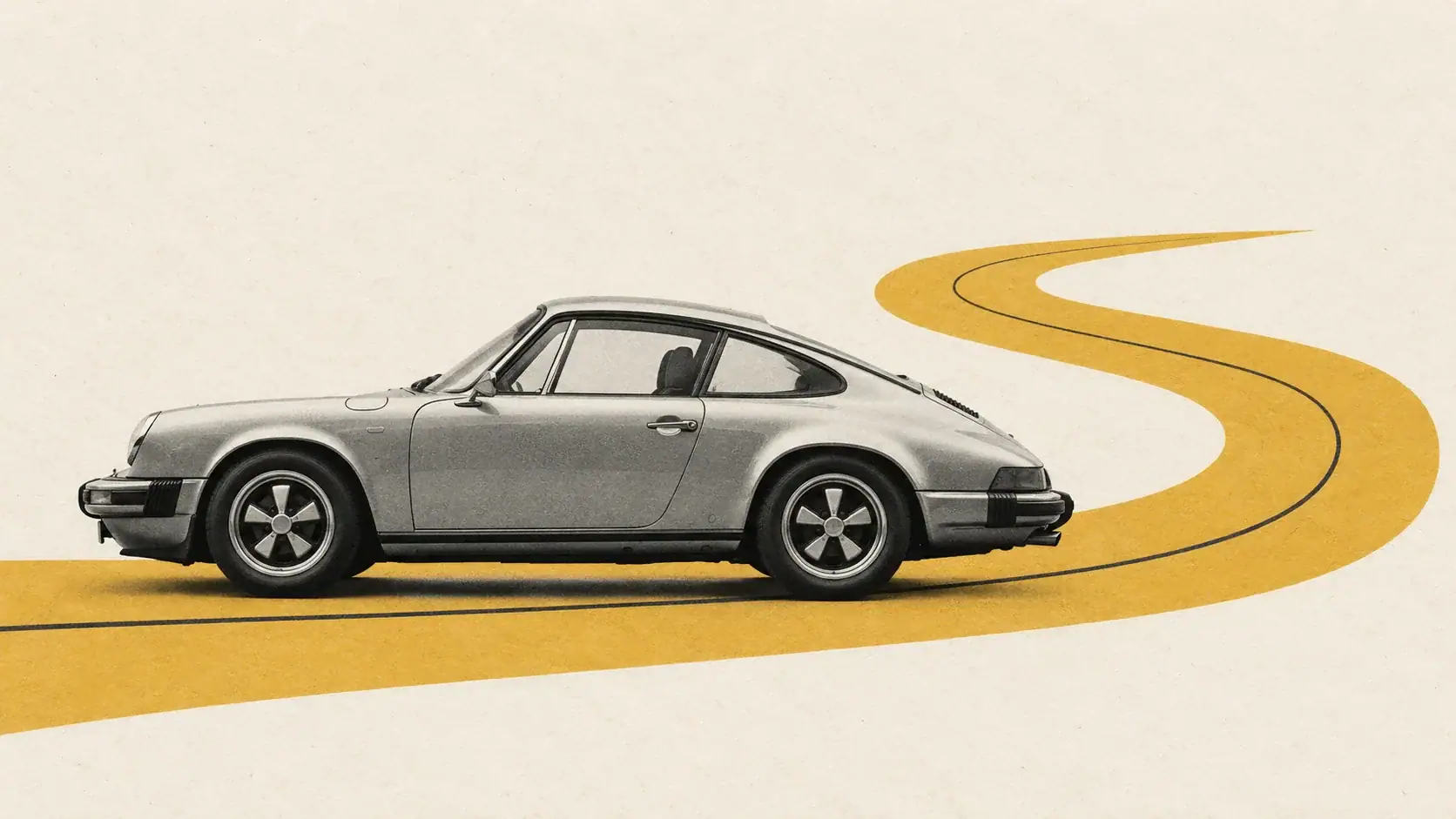
When Porsche talks about value over volume, I see a company trying to become more certain about what it wants to be. A smaller, more exclusive business can strengthen a luxury brand when the product continues to deliver the design, engineering, and performance people associate with it. Porsche has a credible foundation for that choice. The interesting part is how deliberately it can organize the company around that identity.
Its October 7 strategy announcement sets out a move toward greater exclusivity and more value per vehicle. Porsche wants to raise the average selling price of its top-of-the-range models by about 20 percent over the medium term, supported by additional product substance. It also intends to retain an entry point into the brand. This is a more selective plan than a blanket price increase or a decision to offer only its most expensive cars.
The backdrop deserves attention. Porsche’s deliveries fell 16 percent in the first nine months of 2026, while 911 deliveries rose 12 percent. Product transitions and regional demand help explain the uneven picture. A falling delivery total, by itself, does not demonstrate that a strategy of greater exclusivity is succeeding. The company still has to earn customers at the prices and volumes its business needs.
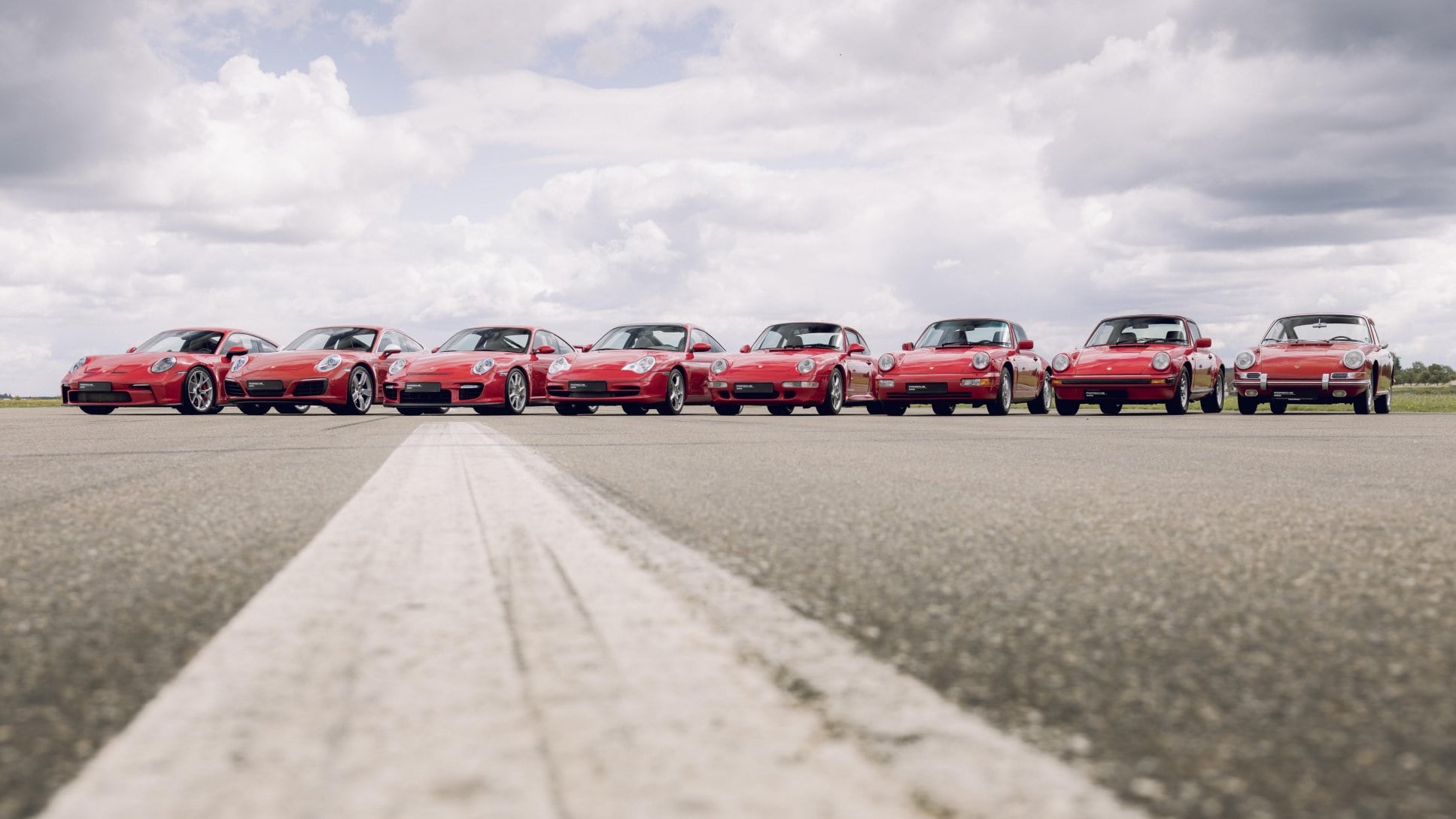
Porsche’s advantage begins with recognition. Look at the 911’s progression from its 1963 introduction and you can see a company repeatedly developing a familiar idea. The shape has changed, but the relationship between generations remains legible. That gives a buyer something more specific than the general promise of an expensive sports car. It gives them a place in a story they already recognize.
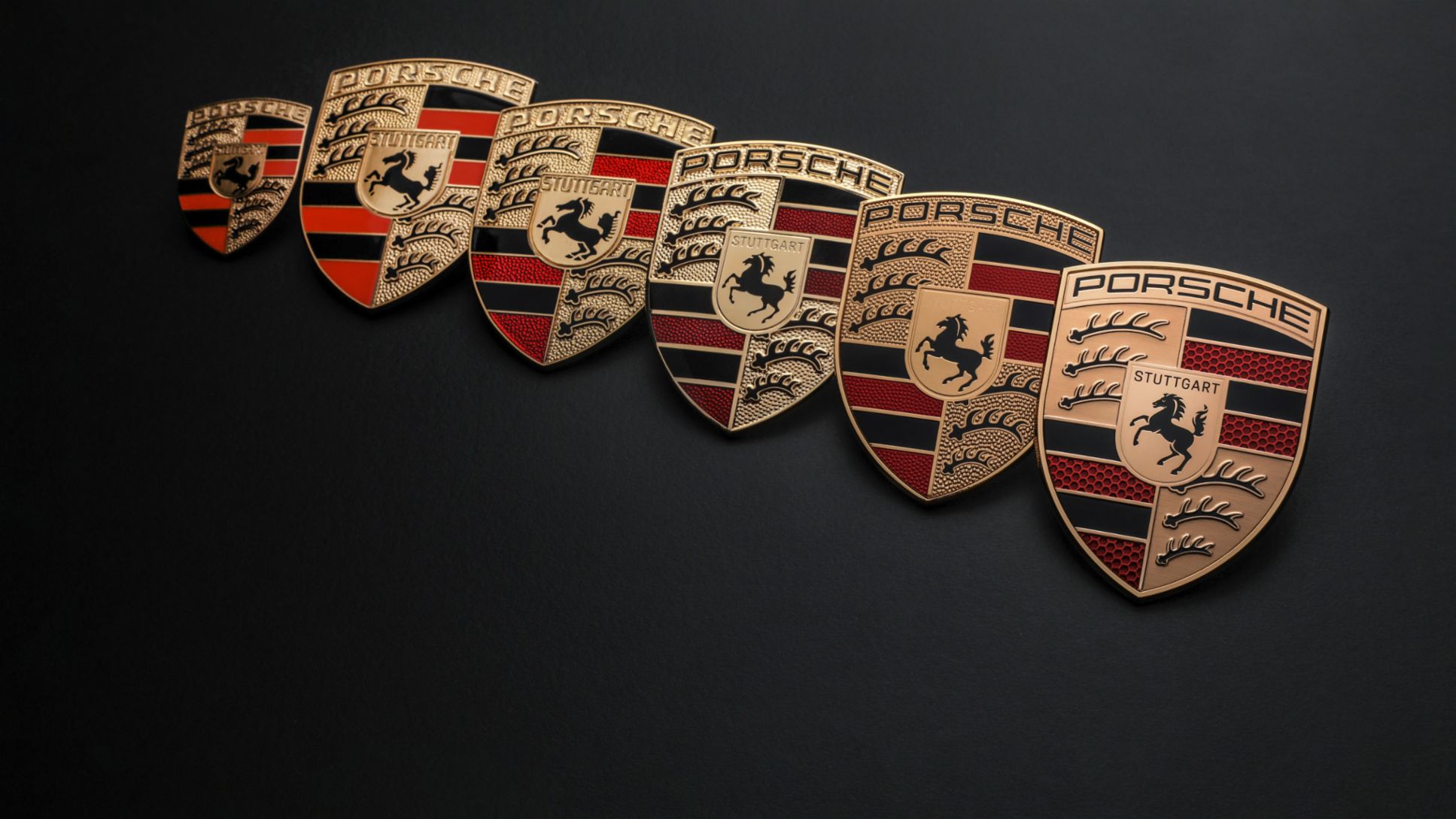
The visual identity reinforces that continuity. The wide, distinctive Porsche lettering and the crest are different kinds of recognition working together. One carries the name with unusual clarity; the other carries associations of origin, history, and ownership. In its 2023 identity update, Porsche refined the crest while emphasizing a larger role for the lettering. It has used versions of the crest since 1952. The changes demonstrate how a familiar identity can become more precise while remaining recognizable.

That history is difficult for a competitor to acquire. A rival can develop an excellent car and attract a devoted following of its own. It cannot manufacture Porsche’s accumulated associations on a product-development schedule. The value exists in what people have learned to recognize and care about over time. Design continuity gives that memory a visible form.
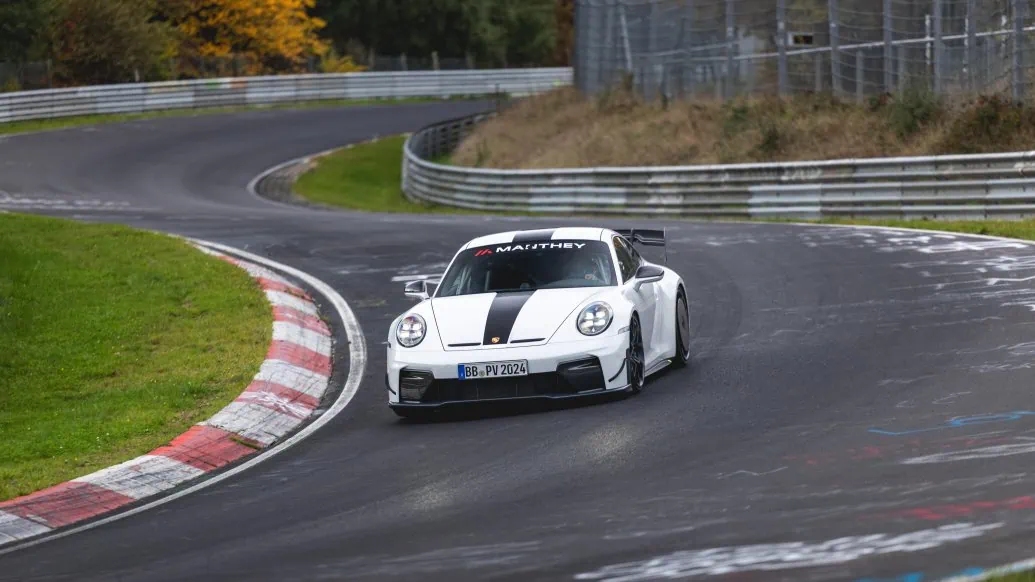
Performance supplies another reason to care, and it has to keep developing. A reputation becomes vulnerable when the current product asks the past to do all the work. Porsche’s continuing track development gives the engineering promise something concrete to point to. For example, its 2025 introduction of the Manthey Kit for the 911 GT3 focused on aerodynamics, suspension, and braking, accompanied by a documented Nürburgring test. That is the kind of activity that helps a performance identity remain current.
The combination matters. The design makes the car recognizable as a Porsche, and the driving proposition gives customers a reason to keep taking that recognition seriously. A brand with both has more room to ask for a premium than one relying on an attractive emblem alone. It still has to compete, and different buyers will compare it with different alternatives. I would describe Porsche as having a well-defined position within luxury performance, with advantages it can continue to develop.
There is also a community around that identity. For enthusiasts, ownership can mean participation in a shared culture of models, specifications, memories, and preferences. Greater exclusivity can intensify that feeling for some buyers. It can also put a car beyond the reach of people who care deeply about it. Affordability is not a measure of enthusiasm. The strategic decision is whether the company can sustain its chosen position while accepting that some people will no longer be customers.
I initially thought of the Boxster as an example of the tension created by greater accessibility. Its history makes a simple verdict difficult. Porsche credits the Boxster’s 1996 introduction with attracting younger buyers and helping turn around a difficult financial period. A lower price relative to the 911 helped the company reach people it had not been reaching. That deserves to sit alongside any argument about how established enthusiasts perceived the expansion.
I do not draw a permanent line at a particular level of accessibility. A brand can choose a broader market if it has the capabilities, economics, and offer to compete there. The question is whether it understands that choice well enough to commit to it. Moving toward the middle of a market creates its own demands around scale, cost, competition, and customer expectations. Moving further into luxury creates a different set. Neither destination becomes viable simply because management prefers it.
That is why I read Porsche’s current direction as a consolidation of identity. Brands, like people, can try different roles and discover how far their identity can stretch. Eventually, a clearer sense of self can make decisions easier. Reinvention remains possible later, but there is value in settling what the company intends to mean now and building the organization to support it.
“There is value in settling what the company intends to mean now and building the organization to support it.”
The effects extend well beyond customers. A clear identity gives designers a basis for evaluating a shape, engineers a basis for defending a capability, and marketers a basis for choosing a story. It helps employees understand why one opportunity fits and another pulls the business away from its purpose. Greater consistency can emerge because people share the same direction, rather than because every decision has to be corrected after the fact.
Focusing on wealthier buyers may also reduce exposure to some affordability pressures. That protection is relative: people can retain the means to buy while becoming less willing to spend, and a narrow customer base creates dependencies of its own. Porsche’s plan includes lowering its break-even point to fewer than 200,000 vehicles. That operating work matters because a company that wants to rely less on volume needs a cost structure that can support the choice.
For other brands, the useful question is what they possess that customers would continue to choose in a smaller and more demanding market. It could be a distinctive design language, a technical capability, an experience, or several advantages working together. The company needs to understand how it will keep delivering that difference and why enough people will value it. A premium becomes more defensible when the business can answer those questions repeatedly.
I think Porsche has a strong basis for doing that. Its recognizable design and performance story give it a position that customers can understand, and greater commitment could make that position stronger. The outcome will depend on how well the products and the organization continue to deliver. The lesson other brands can use is to know where they can compete, understand what makes them worth choosing there, and commit the business to earning that choice.