
A sale is a useful place to stop counting. It is a poor place to stop caring. The customer has paid, the conversion has been recorded, and the campaign can claim a result. Meanwhile, someone on the other side of the transaction is waiting to find out whether the business deserves the confidence they have just placed in it.
I recognize that moment in my own behavior. After buying something online, I find myself checking for updates, looking for confirmation that the order is moving and that someone is paying attention. The purchase may be complete in the seller’s system, but the experience is still very much underway for me.
This is where I think post-purchase engagement earns its place in brand strategy. Delivery, setup, support, and follow-through give the customer something concrete to judge. The question is what we help them do after they buy, and whether that experience makes the promise of the brand believable.
Reassurance has a job to do
Consider a customer waiting for a product they need by Friday. An email announcing that the brand is excited about their order does little to resolve the uncertainty. A clear delivery estimate, an honest update when it changes, and a straightforward way to get help do considerably more. Communication becomes valuable when it answers the question the customer is actually asking.
That is the principle I would use to design notifications. Start with the moments when uncertainty appears: payment confirmation, dispatch, a delay, delivery, or the first attempt to use the product. Decide what the customer needs to know at each point, then choose the message and channel. The schedule should follow the experience.
More messages are not necessarily more reassuring. Repeating an update across email, text, and an app can make a simple purchase feel like a group project. The right amount of communication depends on what is being bought, its urgency, and the customer’s preferences. A considered system makes important changes visible without demanding attention for every internal event.
There is also a limit to what good wording can accomplish. If a shipment is delayed, an elegant notification cannot make it arrive. Someone still needs to own the problem. The communication should explain what happens next and give the customer a useful choice wherever one is available.
A reward is a reason to return, not proof of loyalty
In the original version of this article, I wrote about a stamp card from a local boba shop. Its appeal was easy to understand: each visit moved me closer to a free drink. The reward was tangible, the progress was visible, and I did not need to read a manual to work out whether it was worth participating.
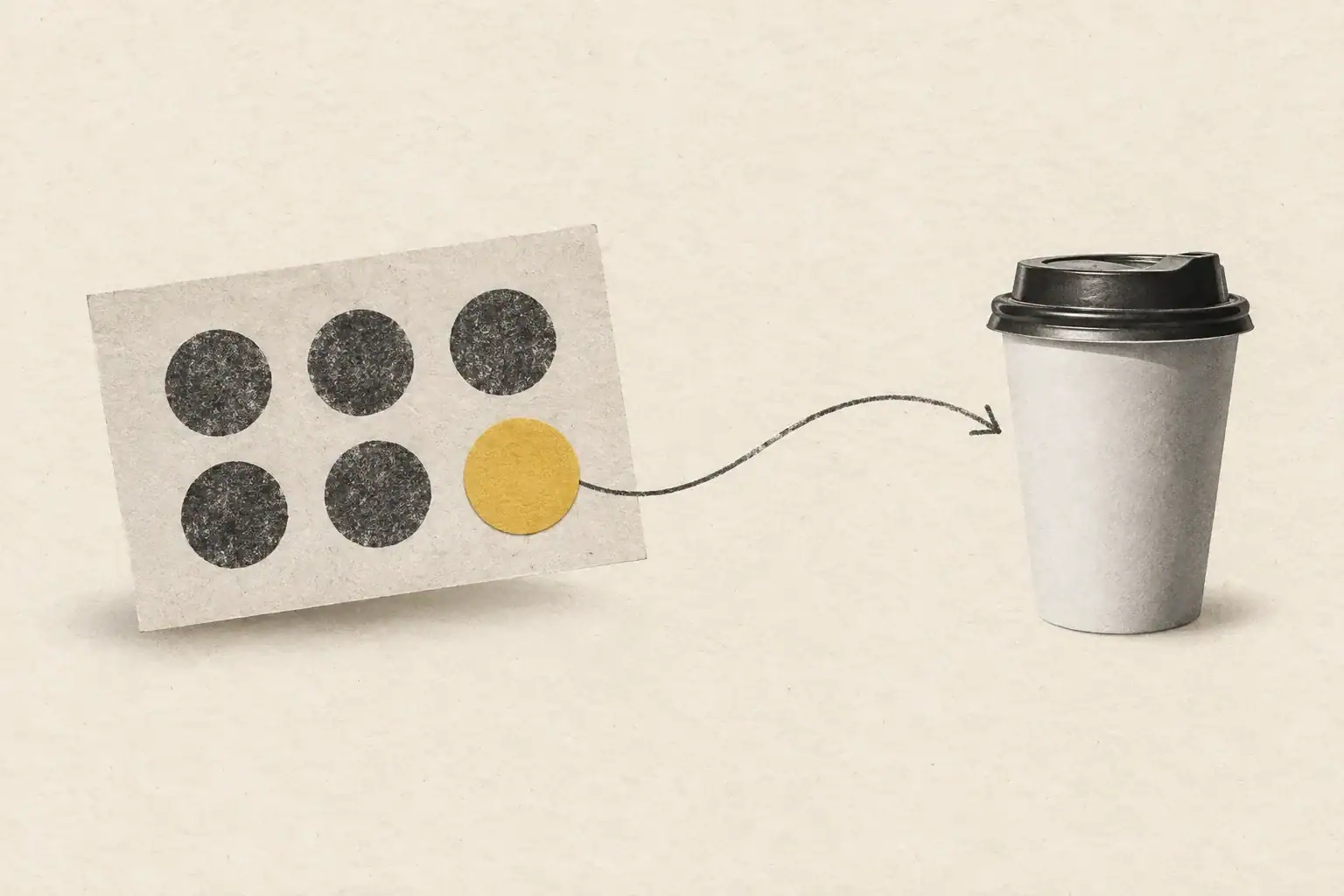
That simplicity is worth preserving as loyalty programs become more elaborate. Points, tiers, and member benefits can give people a reason to choose a business again. They also introduce rules the customer has to understand. If earning is easy but redeeming is exhausting, the program has created a second problem for the customer to solve.
I would be careful about treating participation as evidence of affection. A person may come back because the product suits them, because the store is convenient, or because a discount changes the calculation. Those are different relationships. Counting all of them as brand loyalty can conceal what customers actually value.
The useful question is whether the program improves an experience people already want. A reward can recognize an existing relationship and make the next purchase more attractive. It cannot be expected to compensate indefinitely for a product that disappoints or support that is difficult to reach.
Feedback needs somewhere to go
Asking for feedback is easy to automate. Responding to what it reveals requires decisions. A survey may tell a company that its setup instructions are confusing, but the customer benefits only when someone takes responsibility for making those instructions clearer.
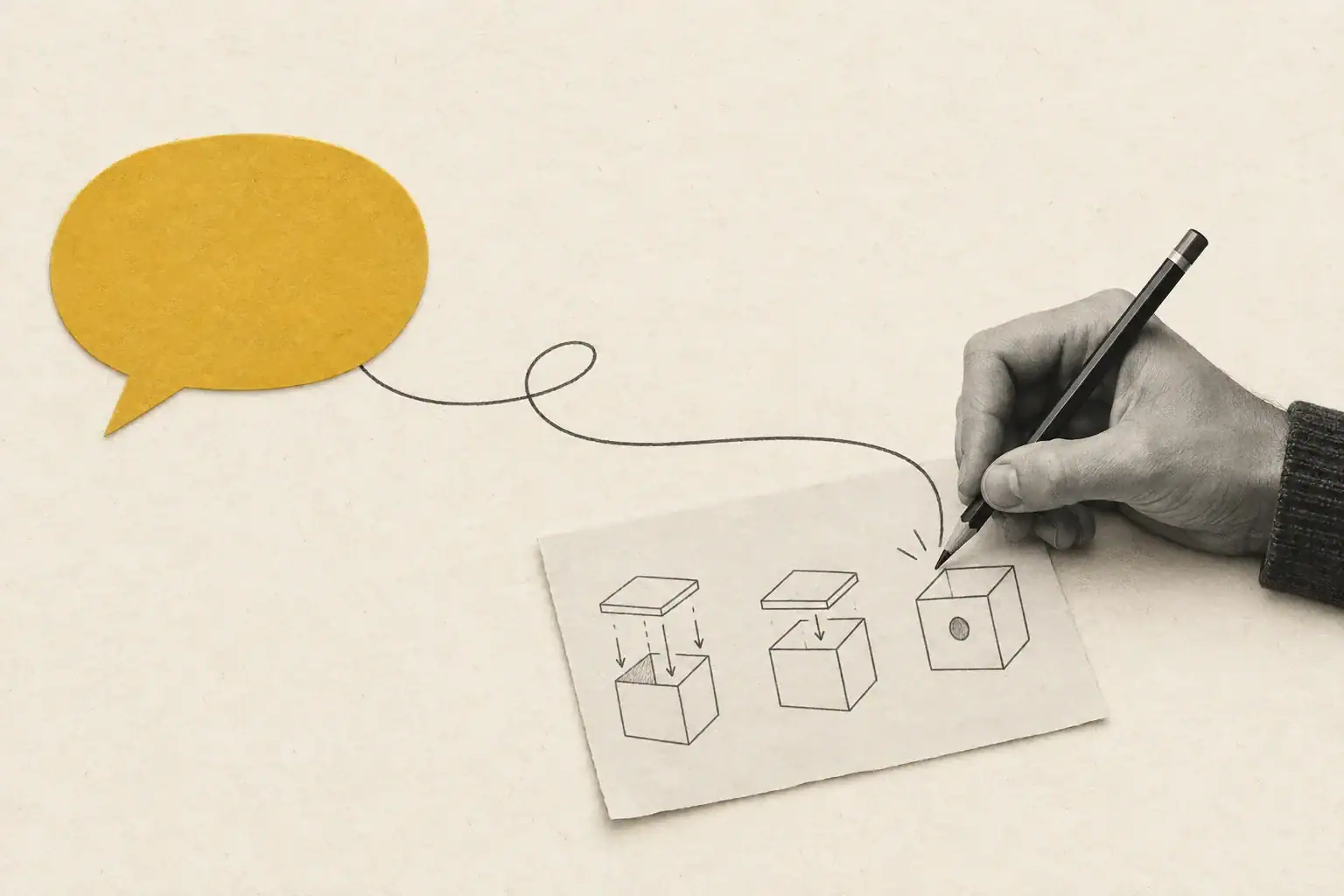
Timing matters here too. Immediately after checkout, a customer can describe the buying process. They cannot yet tell you whether the product is reliable. After delivery, they may have useful things to say about packaging or setup. Later, they can judge whether the product fits into their life. Asking the same broad satisfaction question at every stage misses those distinctions.
I would begin with the decision the feedback is meant to inform. If the question is whether people can get started successfully, ask about that experience. If the concern is support, examine where customers get stuck and whether the answer they receive resolves the problem. A short, relevant question is easier to justify than a survey that asks customers to evaluate the entire business.
Feedback should also have a destination inside the organization. Delivery complaints belong with someone who can investigate delivery. Product confusion may require a change to design, documentation, or both. Marketing can help identify the pattern and explain the response, but the work often crosses departmental boundaries.
Design the relationship before choosing the software
Tracking systems, rewards platforms, and survey tools can help carry out this work. Their usefulness depends on the process they support. Before comparing features, I would map the period from payment through first use and ask where the customer loses information, confidence, or a clear path forward.
That produces a more useful brief. The problem might be uncertainty during shipping, a difficult first setup, an unclear return process, or feedback that never reaches the product team. Each calls for a different response. Buying a broad engagement platform before identifying the problem risks automating a sequence that was poorly conceived in the first place.
Measurement should follow the same logic. Email opens show that a message attracted attention; they do not tell us whether it helped. Depending on the problem, I would also look at repeated support contacts, unresolved delivery questions, successful setup, returns, and the reasons customers give for coming back. Those signals need interpretation, especially when prices, promotions, or the product itself are changing.
The standard I would hold the whole experience to is simple: does the customer find it easier to trust the business after buying from it? A clear update, a usable product, a fair reward, and a problem handled thoughtfully all contribute to that answer. The sale gives the brand an opportunity to demonstrate what it means. What follows is the evidence.
Listen to the earlier podcast discussion of post-purchase engagement.
