Leadership
-
How Companies Lose Their Best Creative Talent Without Realizing It
A talented employee didn’t leave because of one denied request. He left because the company kept confusing cost control with culture — and by the time anyone noticed, it was already too late.

-
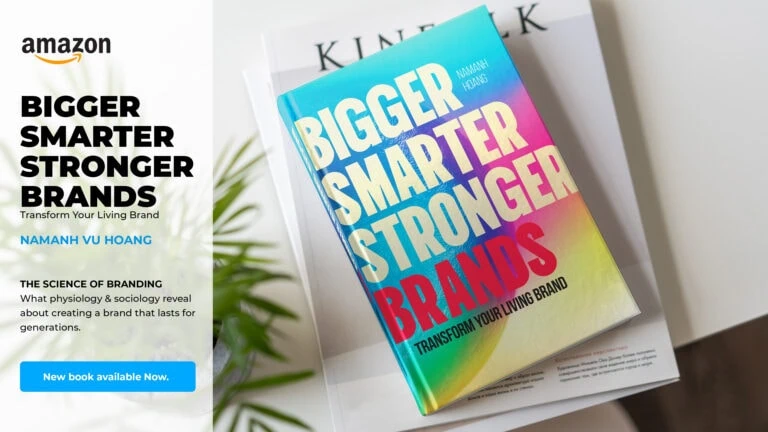
Your Brand is a Living Organism. It’s Time We Started Treating It That Way.
A living-systems approach to building brands that adapt, learn, recover, and endure—drawn from Namanh Hoang’s book Bigger, Smarter, Stronger, Brands.
-
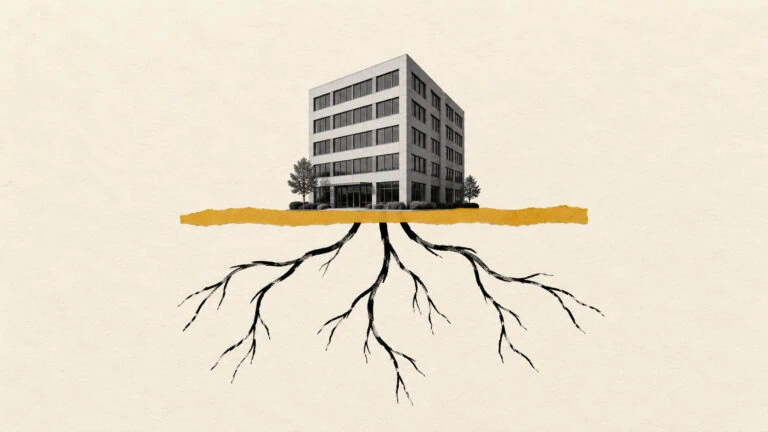
What ESG Means in Business, Without the Buzzwords
ESG is most useful as a management lens for environmental, social, and governance risks, impacts, ownership, evidence, and action. Here is how to use it without confusing a score for a strategy.
-
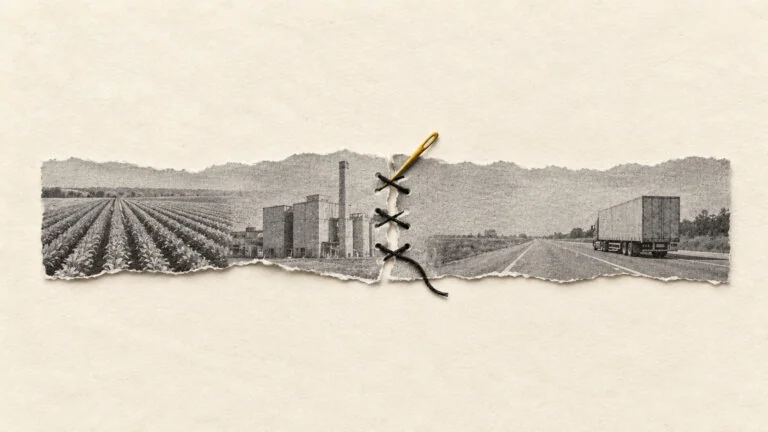
Carbon Insetting: How to Decarbonize the Value Chain
Carbon insetting can help companies reduce emissions within their value chains, but the label is not a standard. Start with the inventory, design a measurable intervention, and make claims the evidence supports.
-
Goal Setting That Survives Contact With Reality
Effective goals connect direction to action, learning, feedback, and constraints. Use outcome, process, and learning goals to build a plan that can adapt without losing its purpose.

-
Monk Mode Is a Focus Sprint, Not a Personality
Monk mode works best as a bounded focus sprint: choose one outcome, reduce unnecessary access to your attention, protect recovery, and judge the experiment by its output.
-
A Business Plan Is a Decision System, Not a Prediction
A practical guide to turning a business plan into a decision system that connects customer evidence, operations, financial assumptions, risk, and the next move.
-
Hybrid Work Is an Operating System, Not a Schedule
Hybrid work succeeds when people, decisions, tools and opportunities connect across locations. Here is how to design the operating system behind the schedule.
-
Leadership Communication Is an Exercise in Translation
Strong leaders keep the facts and outcome stable while adapting the route: energy, synthesis, decisions, human context, or evidence.

-
Why Lateral Career Mobility Is More Than a Sideways Move
Lateral movement is not a consolation prize. The Intel Board of Advisors story shows how real stretch work can build capability, trust and credible options.